
Razor Burn vs Razor Bumps: Why They Keep Coming Back and How to Stop Them
Razor burn is irritation within hours of shaving; razor bumps are ingrown hairs that appear as hair regrows. How to tell them apart and stop both.
Published · Updated
The Fashion & Beauty Editorial
Lead Editorial Collective · Editor Bio → · How we research →
Our comprehensive library of ingredient breakdowns, product tests, and barrier protocols.
Key Takeaways
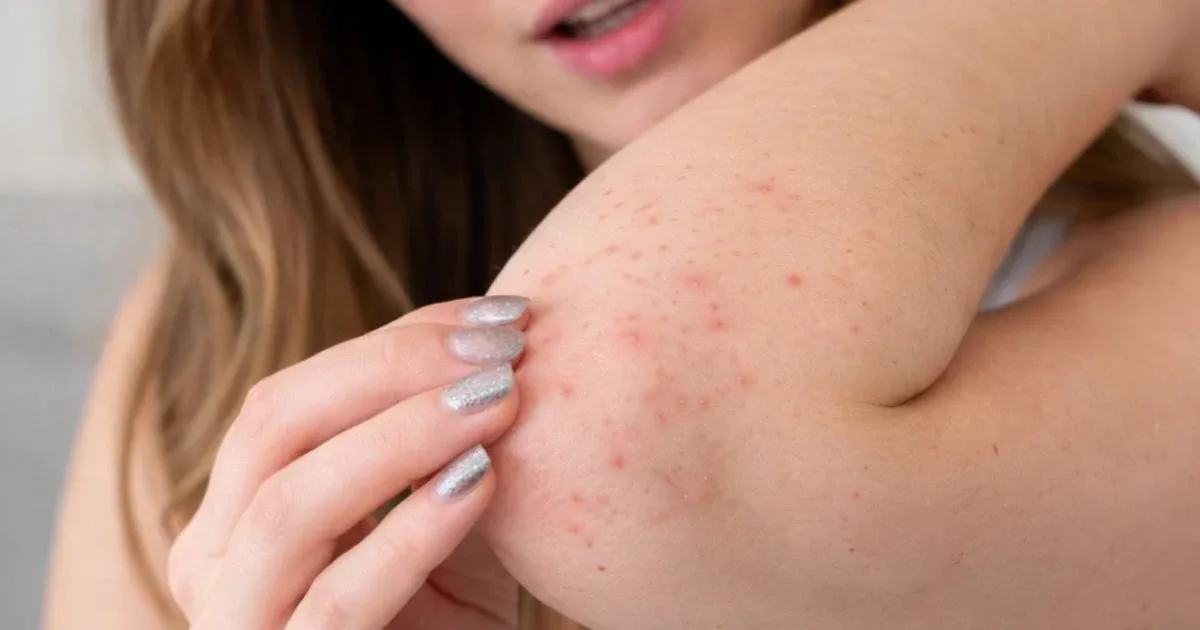
- Razor burn is irritation of the skin surface: redness, stinging, burning and sometimes a fine rash that appears during or within hours of a shave and usually settles within a few days.
- Razor bumps are ingrown hairs. A shaved hair regrows with a sharp tip that can curl back or grow sideways into the skin, so bumps appear as the hair regrows. On the face and neck this is called pseudofolliculitis barbae, and it is most common with tightly curled hair.
- Shaving with the grain, not stretching the skin, using a sharp blade with a shaving cream or gel, and leaving a little stubble are the core ways to prevent both.
- See a doctor or dermatologist for bumps that are painful, pus-filled or spreading, that leave dark marks or firm scars, or that keep coming back despite a gentler routine.
What is the difference between razor burn and razor bumps?
Razor burn is irritation. The blade scrapes the top layer of skin, which turns red and stings, sometimes with a rash of tiny bumps. It shows up quickly and fades within days. Razor bumps are ingrown hairs, individual shaved hairs growing back into the skin. They appear later, as the hair regrows, and tend to return every time you shave closely.
Folliculitis and single ingrown hairs are easy to confuse with both.
| Condition | What it looks like | When it appears | Cause | What helps |
|---|---|---|---|---|
| Razor burn | Red, stinging or burning skin, sometimes a fine rash; may itch | During the shave or within hours | Friction and tiny scrapes from the blade: dull blades, dry shaving, pressure, repeated passes, harsh aftercare | Stop shaving the area, cool water, fragrance-free moisturizer; usually settles in a few days |
| Razor bumps (pseudofolliculitis barbae) | Firm red or skin-colored bumps, sometimes with a pus-filled tip; can leave dark marks | As hair regrows, usually a day or more after shaving | Sharp-tipped shaved hairs curling back or growing sideways into the skin; worse with curly hair and very close shaves | Leave stubble or grow hair out, shave with the grain, gentle exfoliation; a dermatologist for persistent cases |
| Folliculitis | Small pimple-like spots or pustules centered on hair follicles; can itch or feel tender | Any time, often after shaving, sweating, tight clothing or hot tubs | Inflamed or infected follicles, often bacterial, sometimes fungal | Keep the area clean and dry, pause shaving, warm compresses; see a doctor if it spreads or persists |
| Ingrown hair | A single bump, sometimes with a visible loop of hair or a dark hair under the skin | Days after shaving, waxing or plucking | One hair growing back into the skin instead of out of it | Warm compress, gentle exfoliation, let it free itself; don't dig it out |
Why do razor bumps keep coming back?
A razor cuts each hair at an angle and leaves it with a sharp tip. Most hairs grow straight out and cause no trouble. In bump-prone skin, some go wrong in one of two ways:
- The hair curls back. It leaves the follicle, curves around and pierces the skin next to it. Tightly curled hair is especially likely to do this.
- The hair never makes it out. A very close shave, especially with the skin pulled tight, can cut the hair just below the surface. When the skin relaxes, the sharp tip grows into the wall of the follicle instead of through the opening.
Either way, the body treats the trapped hair like a splinter and inflames the skin around it. Every close shave creates a fresh set of sharp tips, which is why the bumps return in the same places and often clear when people stop shaving.
Razor bumps can affect anyone who shaves, on the face, neck, bikini line, underarms or legs. They are most common in people with tightly curled hair, and particularly common among Black men who shave. Repeated bumps can leave dark marks, especially on deeper skin tones, and sometimes firm scars.
Which shaving mistakes cause razor burn and razor bumps?
Shaving against the grain. It gives a closer shave but is more likely to cut hairs below the surface and to scrape the skin. Make your first pass with the grain. For a second pass, re-lather and go across the grain rather than against it, or skip it on bump-prone areas.
Stretching the skin. Pulling the skin tight lets the blade cut the hair lower, so the cut end sits below the surface once the skin springs back.
Dry shaving. Without a shaving cream or gel, the blade drags and tugs instead of gliding. Bar soap gives little slip.
A dull or clogged blade. A blunt edge pulls at hairs and scrapes the skin. A common rule of thumb is to change the blade, or throw away a disposable razor, after five to seven shaves, and sooner if it tugs.
Too many passes and too much pressure. Each extra pass removes more of the skin's surface. Use light, short strokes.
Very close multi-blade shaves. Many dermatologists suggest a single- or double-blade razor, or a trimmer that leaves a little stubble, for bump-prone skin.
Harsh aftercare. Alcohol-based splashes and heavily fragranced products sting freshly shaved skin and can keep it inflamed. Our guide to why aftershave makes razor burn worse explains what to use instead.
Why does razor burn show up hours after shaving?
It is common for skin to feel fine straight after a shave and turn red and sore later in the morning. Irritation takes time to build, and the rest of the day adds to it: a collar rubbing the neck, sweat, heat, sun, and whatever products you put on afterwards.
Timing is a useful clue. Redness and stinging that appear within a few hours and fade over a day or two point to razor burn. Bumps that appear a day or more later, as the stubble grows back, point to ingrown hairs.
To calm delayed razor burn, rinse with cool water, pat dry and use a fragrance-free, alcohol-free moisturizer or balm. Keep acids, retinoids and scented products off freshly shaved skin, and if you can, shave after a workout rather than before.
How do you prevent razor burn and razor bumps?
- Soften the hair first. Shave during or right after a warm shower, or wash the area with warm water.
- Use a shaving cream or gel. Choose fragrance-free if your skin reacts easily.
- Use a sharp blade, or an electric trimmer that leaves a short stubble if you are prone to bumps.
- Shave with the grain using light, short strokes, without stretching the skin, and rinse the blade after every stroke.
- Keep passes to a minimum.
- Rinse with cool or lukewarm water, pat dry and moisturize with an alcohol-free, fragrance-free product.
- Keep the razor clean and dry, and don't share it.
- Exfoliate gently between shaves. A soft washcloth or a cleanser with salicylic or glycolic acid a few times a week helps keep follicles clear. This kind of exfoliation is best done on non-shaving days, and skipped on irritated skin.
- Shave less often, or keep a short stubble. Even a short length keeps the sharp tip above the skin.
To find your grain, let the hair grow for a day or two and run a hand over it; the direction in which it feels smooth is the grain. Hair on the neck often grows in several directions, and collars rub it all day, which is why it is the classic trouble spot. The bikini line and underarms have similar problems with coarse, curly hair, skin folds and friction, and a trimmer that leaves a short length is often gentler there than a razor.
If you let your beard grow to break the cycle, expect some itch in the first week or two. Our guide to why stubble itches after shaving explains how to get through that stage.
How do you treat razor burn?
Razor burn usually settles on its own within a few days if you leave the skin alone.
- Stop shaving the area until the redness and stinging have gone.
- Use cool water or a clean, cool compress to ease stinging.
- Apply a plain, fragrance-free moisturizer or a fragrance-free aloe vera gel.
- Keep alcohol, fragrance, exfoliating acids, retinoids and scrubs off the area until it heals.
- On the body, wear loose clothing so nothing rubs.
If pus-filled spots develop, the skin becomes more painful instead of less, or it hasn't improved after a few days, it may be folliculitis or an infection. A pharmacist or doctor can advise.
How do you treat razor bumps and ingrown hairs?
Stop shaving closely. Letting the hair grow is the most reliable way to clear razor bumps, because hairs long enough to curve away from the skin can't grow back into it. Existing bumps can take a few weeks to settle.
Use warm compresses. A clean, warm, damp cloth held on the area for a few minutes softens the skin and can help a trapped hair work its way out.
Don't pick or dig. Squeezing bumps or digging for hairs raises the risk of infection, dark marks and scarring. If the end of a hair is already looping out above the surface, you can gently lift it free with clean tweezers, but don't pluck it out.
Exfoliate gently. Salicylic acid or glycolic acid products help loosen dead skin around the follicle opening. A benzoyl peroxide wash can help if bumps have pus-filled tips, but it bleaches towels and fabrics. Use one of these at a time rather than layering several, follow the label, and stop if they sting.
Protect dark marks from the sun. Marks left by bumps fade slowly, and daily sunscreen helps stop them darkening.
Get help for persistent bumps. A dermatologist can prescribe stronger treatments. For long-term relief, laser hair removal or electrolysis reduces the hair that causes the bumps. Laser treatment on darker skin needs a suitable laser type and an experienced practitioner.
If you wax rather than shave, see our guide to breaking the ingrown hair cycle after waxing.
Bumps after a haircut or clipper cut
Bumps along the back of the neck, around the ears or at the hairline after a haircut are common, especially after a skin fade, a zero-guard clipper cut or a razor line-up. The causes mirror shaving bumps:
- Ingrown hairs. Cutting to skin level, or edging with a razor or zero-gap trimmer, leaves sharp tips at the surface that curly hair can grow back into.
- Razor burn and clipper irritation. Blades dragged against the grain or pressed hard, blades that run hot, and alcohol-based splashes after the cut can all leave skin red and sore.
- Folliculitis. Clippers that aren't cleaned between clients, sweat, and clippings trapped under a collar can inflame or infect the follicles.
To prevent it, ask your barber to leave a little length at the neckline, or use a short guard instead of taking it to the skin, and to skip the razor line-up if you are prone to bumps. Barbers should clean and disinfect their tools between customers, so it is reasonable to ask. Afterwards, wash the neck and hairline gently to remove clippings and use a fragrance-free moisturizer rather than an alcohol splash.
Watch for firm bumps at the back of the neck and hairline that don't go away between haircuts. This can be acne keloidalis nuchae, a condition most common in men with tightly curled hair who get close haircuts. The bumps can join into raised, scar-like areas and cause hair loss, so see a dermatologist early. If the bumps are more like spots under a beard along the jaw and neck, our guide to why the neck beard area breaks out covers the usual causes.
When to see a doctor or dermatologist
Make an appointment if you notice:
- Bumps that are very painful, hot, swollen or full of pus, or larger boils.
- Spreading redness, red streaks, a fever or feeling unwell. These need prompt attention.
- Bumps that haven't improved after a few weeks of stopping shaving or changing your routine.
- Dark marks, firm bumps or raised scars forming, especially at the back of the neck.
- Patchy hair loss in the beard or scalp.
- Folliculitis that keeps coming back.
A doctor can confirm whether you are dealing with razor bumps, bacterial or fungal folliculitis, acne or something else. If your job requires you to be clean-shaven and bumps are a constant problem, a doctor can also talk through your options.
Related guides
Frequently Asked Questions
How long does razor burn last?
Mild razor burn usually fades within a few hours to a few days, as long as you don't shave the area again and keep alcohol, fragrance and exfoliants off it. If it lasts longer, gets more painful or develops pus-filled spots, it may be folliculitis or an infection, and it is worth seeing a pharmacist or doctor.
Can I pop or dig out an ingrown hair?
Don't. Squeezing or digging with tweezers or needles pushes bacteria deeper, raises the risk of infection, and can leave dark marks or scars. Use a warm compress and gentle exfoliation to help the hair reach the surface. If a loop of hair is already visible above the skin, you can lift the end free with clean tweezers, but don't pull it out. See a doctor if it is painful or infected.
Is an electric razor or trimmer better for razor bumps?
Often, yes. Trimmers and many electric razors don't cut as close as a blade, so the hair tip stays at or above the skin surface and is less likely to grow back in. For people with curly hair who get frequent bumps, a trimmer that leaves a short stubble is one of the most effective changes. Keep the head clean, and don't press hard.
Is there a cream that prevents razor bumps?
No cream makes up for poor shaving technique, but some products help alongside it. Salicylic acid or glycolic acid products loosen dead skin around the follicles, and a benzoyl peroxide wash can help pus-filled bumps. Use one at a time and follow the label. A dermatologist can prescribe stronger treatments for persistent bumps.
Do I have to stop shaving completely?
Not necessarily. Many people keep bumps under control by shaving less often, going with the grain, using a sharp single- or double-blade razor, or switching to a trimmer. If you have tightly curled hair and bumps persist despite those changes, growing a short beard or discussing laser hair removal with a dermatologist may be the most comfortable long-term option.
Razor burn is irritation from the shave itself, while razor bumps are hairs growing back into the skin, so they need slightly different fixes. Shave with the grain on relaxed, lubricated skin with a sharp blade, go easy on aftercare, and leave some stubble if bumps keep returning. If bumps are painful, infected or scarring, see a doctor or dermatologist.
Correction, September 28, 2026: An earlier version said rinsing with cool water "closes pores"; pores don't open and close. It also described laser as the only method that reduces regrowth long term, when electrolysis does too. A "community finding", an unverified review citation and unsourced timelines have been removed.