
skincare
Oct 26, 2026•6 min read
Why Your Facial Cleansing Brush Is Making Your Skin Worse (and When to Use It)
Cleansing brushes cause irritation and breakouts when used too often or on sensitive skin. Use 1 to 2 times a week, gently.
 The Fashion & Beauty
Ingredient-led skincare guides: what actually penetrates, what only feels nice, and how to layer without irritating your barrier.
7 guides published in Skincare.
Core Pillar Knowledge Hub
The complete skincare library — routines, ingredient guides, and honest reviews.
Showing Devices in Skincare
Cleansing brushes cause irritation and breakouts when used too often or on sensitive skin. Use 1 to 2 times a week, gently.
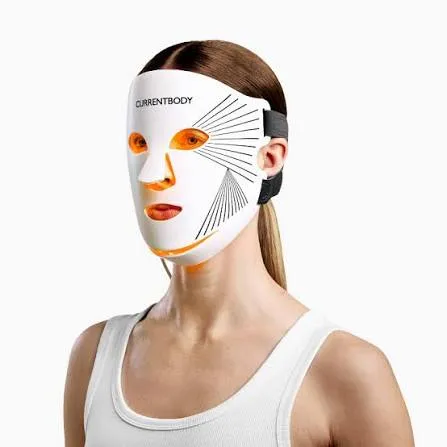
LED masks fail when the wavelength, dose, or duration is wrong. Red light (630-660nm) and near-infrared (830-850nm) have the most evidence.
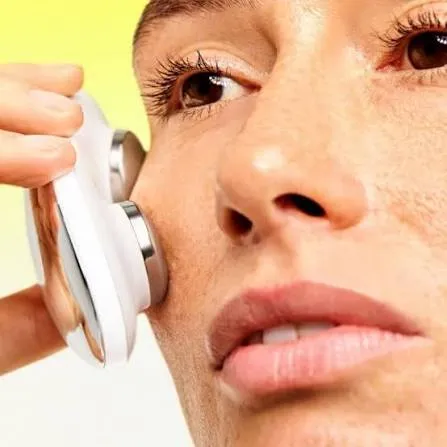
Microcurrent devices fail when conductivity gel is missing or the skin is dry. Proper gel and technique are essential for results.
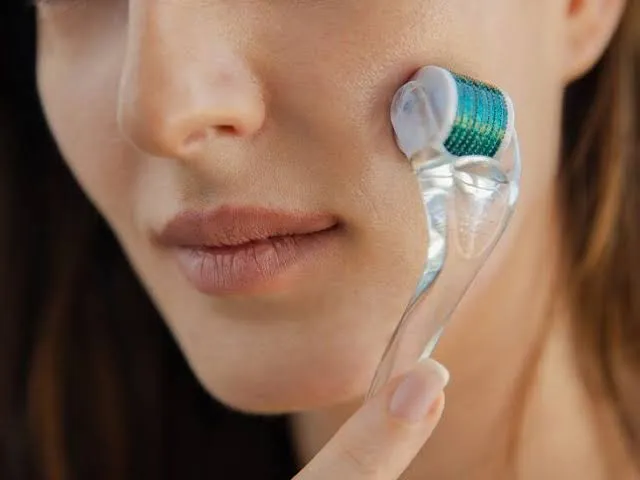
A dermaroller creates micro-injuries; if the pressure exceeds 15 Newtons or the needles are not sterile, the wound healing response overshoots into post-inflammatory scarring instead of collagen.
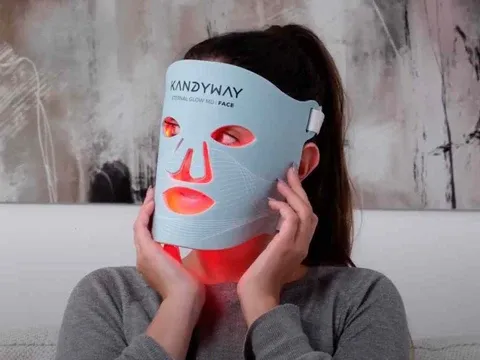
Cheap LED masks often list impressive wavelengths on the box but ship underpowered LEDs at the wrong nanometers, so light never reaches therapeutic dose. Checking irradiance specs separates real devices from glowing placebo.

Microcurrent uses electrical current to contract facial muscles for short-term lift. Gua Sha moves lymph and blood for a temporary de-puff. They do different jobs and stack well, but neither replaces the other.

LED masks may modestly help fine lines and mild acne when used as labeled. Too few sessions do little, and longer ones add irritation rather than results.