Why Azelaic Acid Is Better Than Niacinamide for Redness (and the Comparison Nobody Makes)
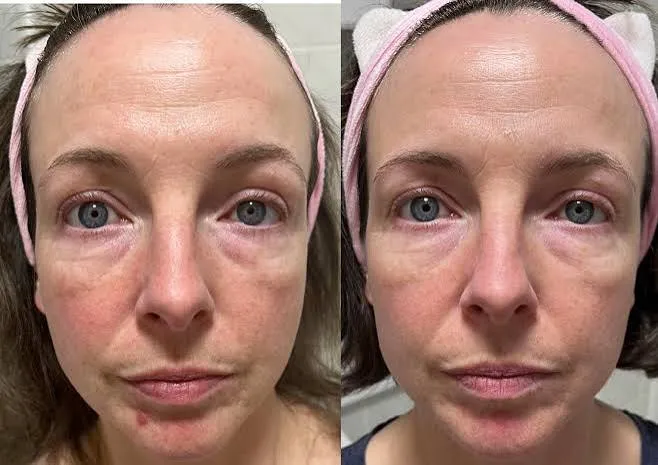
Azelaic acid reduces redness and inflammation more effectively than niacinamide. Niacinamide is better for oil control. Use both for different concerns.
Ingredient-led skincare guides: what actually penetrates, what only feels nice, and how to layer without irritating your barrier.
6 guides published in Skincare.
Core Pillar Knowledge Hub
The complete skincare library — routines, ingredient guides, and honest reviews.
Showing Ingredients in Skincare

Azelaic acid reduces redness and inflammation more effectively than niacinamide. Niacinamide is better for oil control. Use both for different concerns.

Bakuchiol is a gentler alternative to retinol but works more slowly. It does not cause purging or irritation. Use it if retinol is too strong.

Niacinamide works for oil control and barrier repair but not for everyone's hyperpigmentation. The concentration and formula matter more than the percentage.

Bakuchiol's effects are subtler than retinoids', but a trial saw results by 12 weeks. If yours isn't working, check the formula, consistency and daily SPF.

Collagen delivers a broad mix of amino acids, but glycine is the limiting one for skin collagen synthesis. The standard dose provides only 1.5 g of glycine against an effective 10 to 15 g. Taking glycine directly is cheaper and more effective.

Yes, you can use vitamin C and niacinamide together. The 'they cancel out' rule came from old lab chemistry; irritation is the real risk to plan around.