women
Oct 26, 2026•6 min read
Why Your Concealer Creases Under Your Eyes (and the Prep Step That Fixes It)
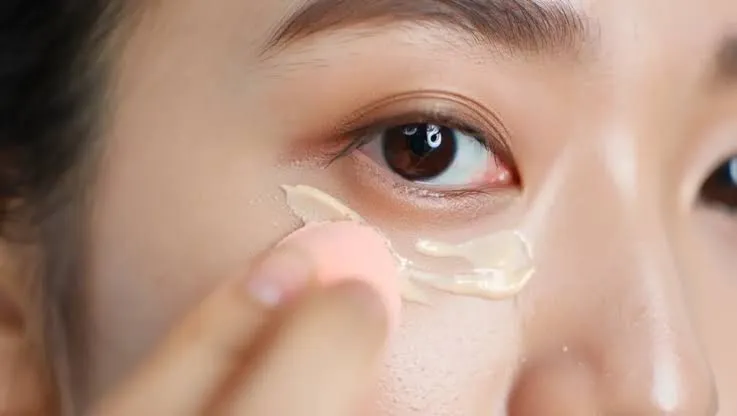
Concealer creases when the under-eye area is dry, un-prepped, or over-powdered. Hydrating prep and thin layers prevent creasing.
 The Fashion & Beauty
Skincare, makeup, hair and wardrobe guides written for women who want results without a twelve-step ritual.
9 guides published in Women.
Showing Makeup in Women
Concealer creases when the under-eye area is dry, un-prepped, or over-powdered. Hydrating prep and thin layers prevent creasing.
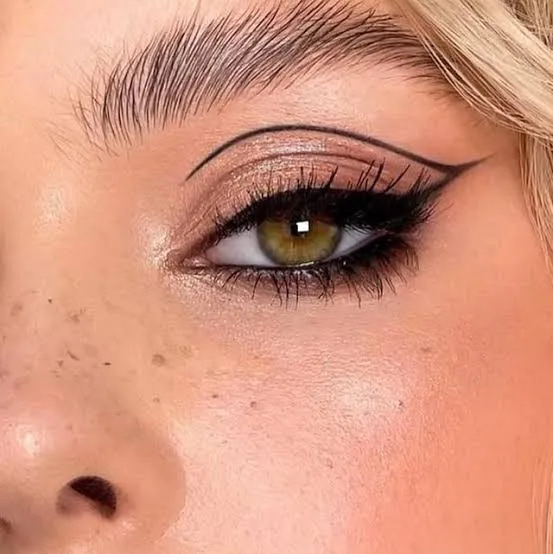
Eyeliner smudges when oil, moisture, or creamy products break it down. Oil-free prep, waterproof formulas, and setting powder prevent transfer.

Foundation doesn't match the neck when the undertone is wrong or the shade is too light. Matching to the jawline and checking undertone fixes it.
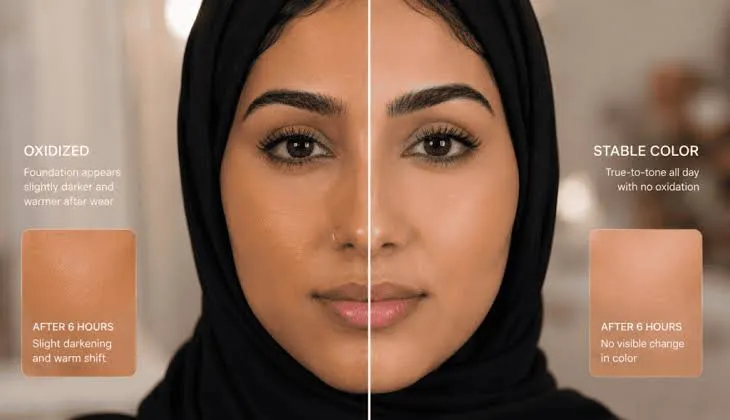
Foundation oxidizes when it reacts with skin oils and air. The color darkens or turns orange. Choosing the right formula and primer prevents it.
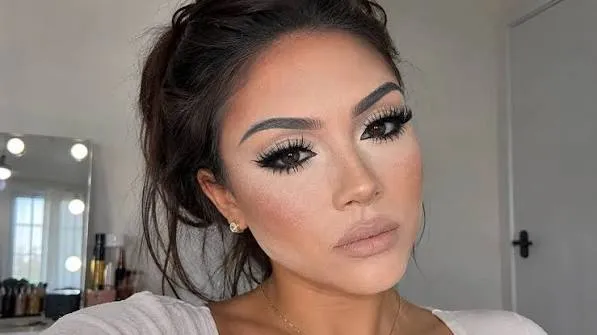
Cakey makeup comes from dry skin, too much product, or wrong application. Hydrating prep and thin layers fix it.

Primer fails when it doesn't match your foundation base. Water-based primer with silicone foundation (or vice versa) causes pilling and separation.
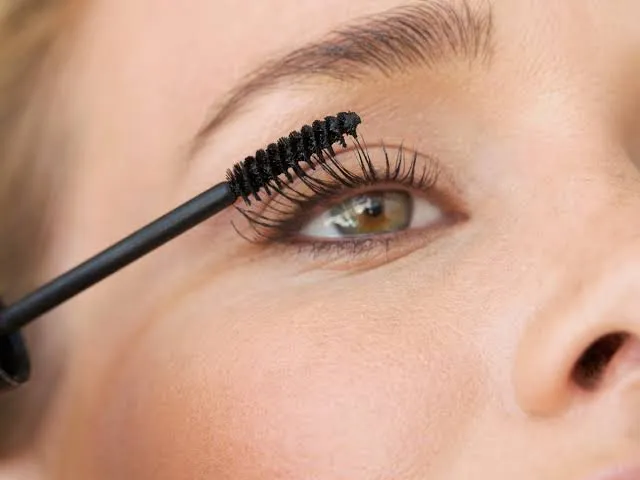
Waterproof mascara uses film-forming polymers (acrylates copolymer) that bond to the lash shaft; removing them requires solvents that strip the cuticle, causing breakage that looks like mascara damage.

The dewy 'clean girl' look skips setting and matte steps, so combination and oily skin turns slick and separated by midday. Strategic powder and blot-first prep keep it fresh, not greasy.
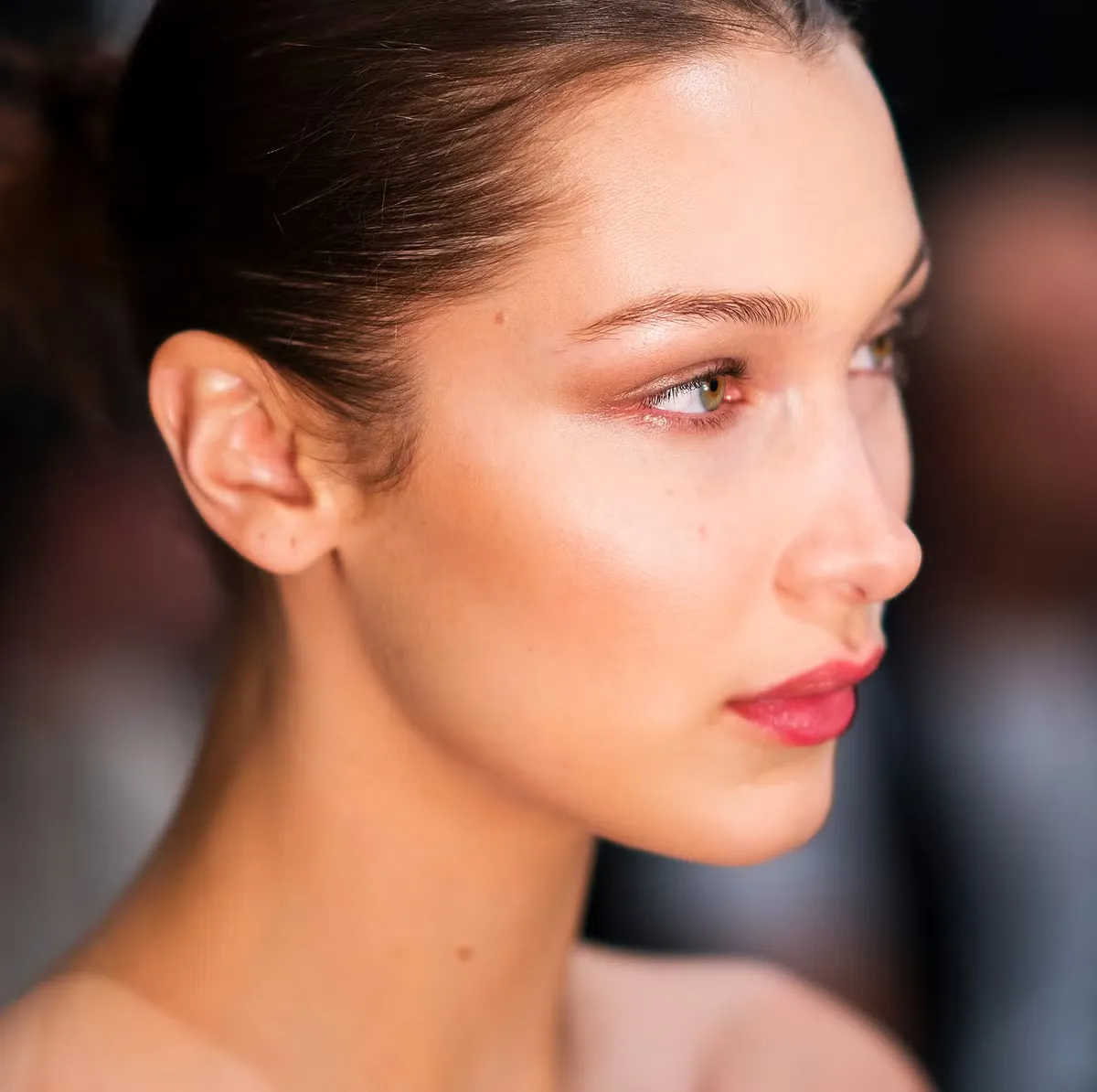
No-makeup makeup looks cakey in photos when the foundation is too thick, the primer is not mattifying, or the flash exposure reflects off the silicone or oil on the skin. Here is the photo-ready protocol that keeps the makeup looking natural in any light.