skincare
Oct 26, 2026•7 min read
Why Azelaic Acid Isn't Working (and the Rosacea Connection)
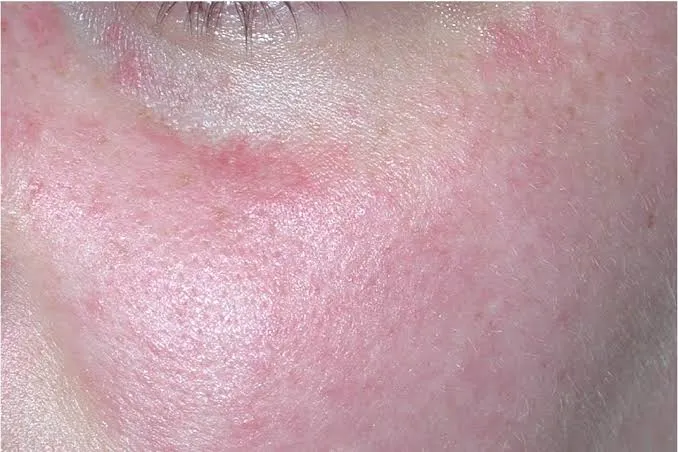
Azelaic acid works for redness, acne, and pigmentation but needs 8 to 12 weeks. It is gentler than retinol but still requires patience and proper use.
 The Fashion & Beauty
Ingredient-led skincare guides: what actually penetrates, what only feels nice, and how to layer without irritating your barrier.
7 guides published in Skincare.
Core Pillar Knowledge Hub
The complete skincare library — routines, ingredient guides, and honest reviews.
Showing Actives in Skincare
Azelaic acid works for redness, acne, and pigmentation but needs 8 to 12 weeks. It is gentler than retinol but still requires patience and proper use.
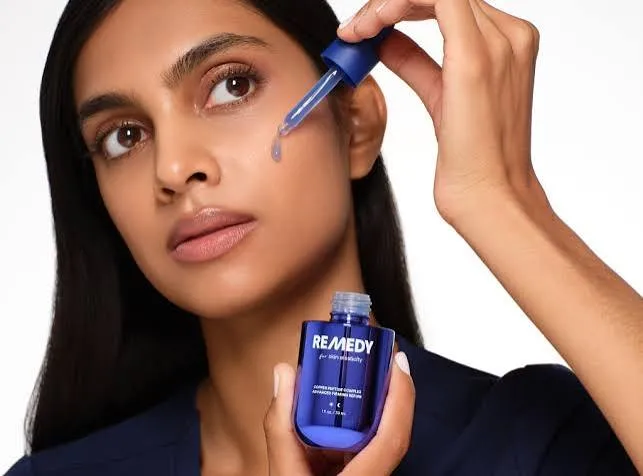
Peptide serums fail because the peptides are too large to penetrate the skin. Most stay on the surface. Retinol and vitamin C work better for aging.
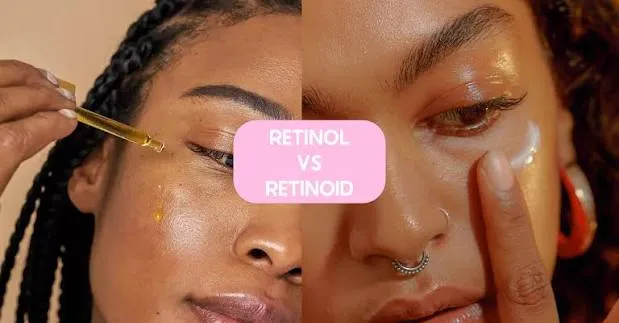
Retinal converts to retinoic acid in one step. Retinol takes two. Retinal is more potent but can be more irritating. Switch when retinol plateaus.
Retinol plateaus when skin adapts, the concentration is too low, or the product has degraded. Increasing potency or switching actives breaks through.
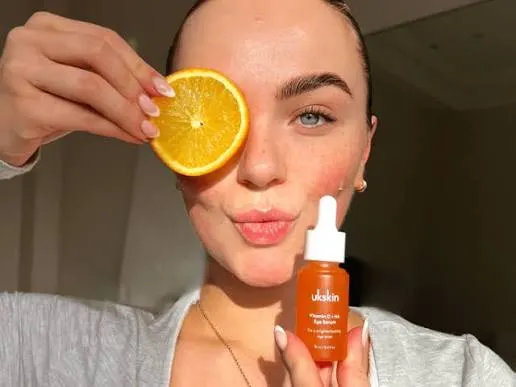
Vitamin C serums oxidize when exposed to air, light, or heat. A color change means the active has degraded and can irritate skin instead of helping it.
Peptides and retinol fight over the same receptor pathway; applying peptides after retinol blocks retinol's gene-signaling cascade, so the overnight gains reset by morning.

Layer actives thinnest to thickest, keep vitamin C for mornings, and use acids and retinoids on separate nights. Order table, pairings and a weekly plan.