
Why Your Ingrown Hairs Keep Coming Back After Waxing or Shaving: The Hair-Cycle Fix
Ingrown hairs recur because the hair regrows before the follicle clears, gets trapped under skin, and triggers inflammation. Exfoliation, AHA/BHA aftercare, and a longer interval between hair removal sessions is what actually prevents them.
Published
The Fashion & Beauty Editorial
Lead Editorial Collective · Editor Bio → · How we research →
Our comprehensive library of ingredient breakdowns, product tests, and barrier protocols.
Key Takeaways
- Ingrown hairs recur when the hair regrows but the follicle is still blocked by dead skin.
- Exfoliation with AHA or BHA 2 to 3 times per week is the most evidence-backed prevention.
- Stretching the interval between hair removal sessions gives the skin time to clear.
- Tight clothing, sweat, and friction in the 24 hours after hair removal make ingrowns worse.
- Persistent, painful ingrowns that scar may be folliculitis and need clinical treatment.
You waxed, shaved, or sugared, and the skin was smooth for a week. By week two, the bumps were back. The hair removal did not fail. The cycle did. The hair grew back before the skin had cleared, got trapped under the surface, and triggered the inflammation you call an ingrown.
Why Ingrowns Are a Cycle, Not a Single Event
An ingrown hair is a hair that has grown back into the skin instead of up and out of the follicle. The trigger is almost always a combination of:
- A sharp hair tip from shaving. A shaved hair has a cut tip that behaves like a tiny spear. As it regrows, it can pierce the side of the follicle or the surrounding skin.
- A blocked follicle opening. Dead skin cells, sebum, and product residue clog the pore. The hair has nowhere to go except sideways.
- Friction and pressure. Tight clothing, sweat, and seatbelts press the hair back into the skin as it tries to emerge.
The result is a red, often painful bump that may contain a visible hair trapped under the skin. Picking, scrubbing, or trying to "extract" the hair usually makes the inflammation worse and risks post-inflammatory hyperpigmentation, especially in melanin-rich skin.
The Prevention Protocol That Works
Three habits, applied consistently, prevent most ingrowns.
1. Exfoliate with AHA or BHA, 2 to 3 times per week
This is the single most effective step. Chemical exfoliation dissolves the dead skin that blocks the follicle, so the hair has a clear path out.
- AHA (glycolic or lactic acid) works on the surface and is well-tolerated on the body. A 5 to 10 percent body lotion or a 5 to 7 percent toner is enough.
- BHA (salicylic acid) penetrates into the pore and is better for acne-prone or oily skin. A 1 to 2 percent body wash or leave-on is effective.
- Start 48 to 72 hours after hair removal to avoid irritating freshly sensitized skin. Apply 2 to 3 times per week between sessions.
Brands like AmLactin, Eucerin, Paula's Choice, and The Ordinary all have body-specific AHA and BHA products at appropriate strengths.
2. Stretch the interval between hair removal sessions
A 4 to 6 week interval between waxing or sugaring is standard. Shaving more than twice per week on the same area increases ingrown risk. The longer the interval, the more time the skin has to clear the follicle, and the less likely the next regrowth is to be trapped.
For bikini and Brazilian waxing specifically, the 4 to 6 week interval matters more than the technique. Going more frequently to "stay smooth" usually produces more ingrowns, not fewer.
3. Manage the 24 hours after hair removal
The first 24 hours after waxing or shaving is when the follicle is most vulnerable.
- Avoid tight clothing, especially synthetic underwear. Cotton, loose-fitting, breathable.
- Skip the gym, sauna, and hot shower. Sweat and heat inflame the freshly sensitized follicle.
- Skip fragrance, actives, and exfoliants. Gentle cleanser, lukewarm water, fragrance-free moisturizer.
- Sleep in loose clothing. Friction from fitted pajamas and sheets is a common trigger.
After the first 24 hours, resume the AHA or BHA exfoliant and continue through to the next session.
Why Shaving Produces More Ingrowns Than Waxing
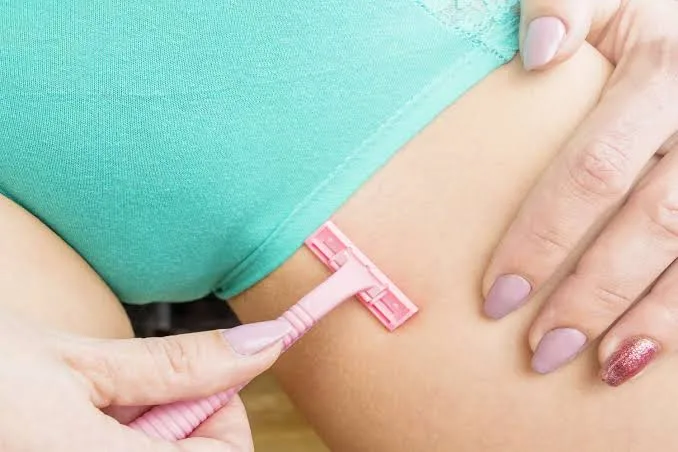
Shaving cuts the hair at or just below the skin surface, leaving a sharp tip that re-enters the skin as it grows. Waxing pulls the hair from the root, so the new growth has a soft, tapered tip and takes longer to reappear. Sugaring behaves similarly to waxing.
If ingrowns are a recurring problem and shaving is the current method, switching to waxing, sugaring, or laser hair removal is the most reliable structural fix. Each option has tradeoffs in cost, pain, and longevity, but the ingrown reduction is meaningful.
What About Laser and Electrolysis?
Laser hair reduction targets the pigment in the follicle and disables it. After 6 to 8 sessions, most people see 70 to 90 percent permanent reduction. The remaining hairs are finer and lighter, and the ingrown rate drops to near zero in the treated area.
Electrolysis is the only FDA-recognized permanent hair removal method. It works on all hair and skin colors, including blonde, red, gray, and very dark skin. It is slower and more uncomfortable than laser but is the right choice for small areas or hair colors that laser cannot target.
Neither option is cheap upfront, but for someone with chronic, scarring ingrowns, the cost is usually less than years of aftercare products and clinical visits.
When It Is Not an Ingrown
Recurring, painful, pus-filled bumps that do not improve with prevention may be:
- Folliculitis (a bacterial or fungal infection of the follicle). Needs a clinician, sometimes a topical antibiotic or antifungal.
- Hidradenitis suppurativa (chronic, scarring inflammation in the groin, underarms, and under the breasts). Needs a dermatologist.
- Contact dermatitis from a product, fabric, or laundry detergent. Stops when the trigger is removed.
- Hormonal breakouts along the jaw and chin that get worse with hair removal. Often respond to spironolactone or a birth control formulation change.
If the bumps are warm, spreading, or leaving scars, see a clinician before treating them as ingrowns.
The Honest 6-Week Reset
- Week 1 to 2: Stop all hair removal. Gentle cleanser, fragrance-free moisturizer, AHA body lotion 2 to 3 times per week.
- Week 3 to 4: Resume hair removal (waxing preferred), then resume AHA 48 hours later.
- Ongoing: AHA or BHA 2 to 3 times per week between sessions. Loose clothing on day one. No fragrance on freshly waxed or shaved skin.
Most people see a 50 to 80 percent reduction in ingrown frequency within two cycles.
Frequently Asked Questions
Is it okay to pop an ingrown hair?
If the hair is visible under the skin and the area is clean, a sterile needle can lift the hair out. Squeezing without releasing the hair usually worsens the inflammation and risks scarring. Best to leave it or use a warm compress to bring it to the surface.
Does tea tree oil work for ingrowns?
It has some antibacterial and anti-inflammatory effect and is a reasonable adjunct. It is not a replacement for AHA or BHA exfoliation.
Will tanning help hide the bumps?
Tanning masks the redness temporarily but dries the skin and slows the cell turnover that helps the hair emerge. It usually makes the next cycle worse.
Are ingrowns a sign of poor hygiene?
No. Ingrowns are about hair shape, follicle blockage, and friction, not about cleanliness. Over-cleansing and scrubbing often make them worse by irritating the skin.
Your ingrowns keep coming back because the hair regrows before the follicle clears. Exfoliate with AHA or BHA 2 to 3 times per week, stretch the interval between sessions, and protect the skin in the first 24 hours. Most cases drop by half within two cycles.