
The Beard Dandruff Trap: Why Oil Alone Won't Kill the Flakes (and What Actually Does)
Beard dandruff is often fungal (Malassezia) or dry-skin flaking, and plain beard oil only masks it. Antifungal washes plus exfoliation and real moisturizing clear it.
Published
Marcus Vance
Fabric Longevity & Grooming Editor · Editor Bio → · How we research →
Fast morning routines, beard maintenance, and tested product picks for men.
Key Takeaways
- Beard dandruff is usually fungal (Malassezia yeast) or dry-skin flaking — beard oil moisturizes but does not treat either cause.
- Plain oil can even worsen fungal flakes by feeding the yeast with more oil.
- The fix: exfoliate, use an antifungal or zinc/pyrithione wash a few times a week, then moisturize — oil is the last step, not the cure.
- Persistent or inflamed flakes deserve a clinician to rule out seborrheic dermatitis.
You cannot wear a black shirt anymore. Your beard sheds white flakes onto your chest by noon, and no amount of beard oil helps — sometimes it looks worse. The r/beards and r/BeardTalk threads are full of this exact frustration. The trap: you were sold beard oil as the fix, but oil treats dryness, not the two things actually causing beard dandruff.
Two Causes, One Symptom
1. Fungal (Malassezia) dandruff. Malassezia is a yeast that lives on skin and feeds on oil. A beard traps sebum and product, creating a feast. The result is flaking, often with redness or itch — clinically seborrheic dermatitis when it involves inflammation. Beard oil adds more oil, which can feed the yeast. That is why "more oil" backfires.
2. Dry-skin flaking. Cold weather, hot showers, and harsh cleansers dry the skin under the beard. The flakes are dry and white, no grease. Here oil helps — but only after you stop the drying behaviors.
why your beard itches after you shave
Why Oil Alone Fails
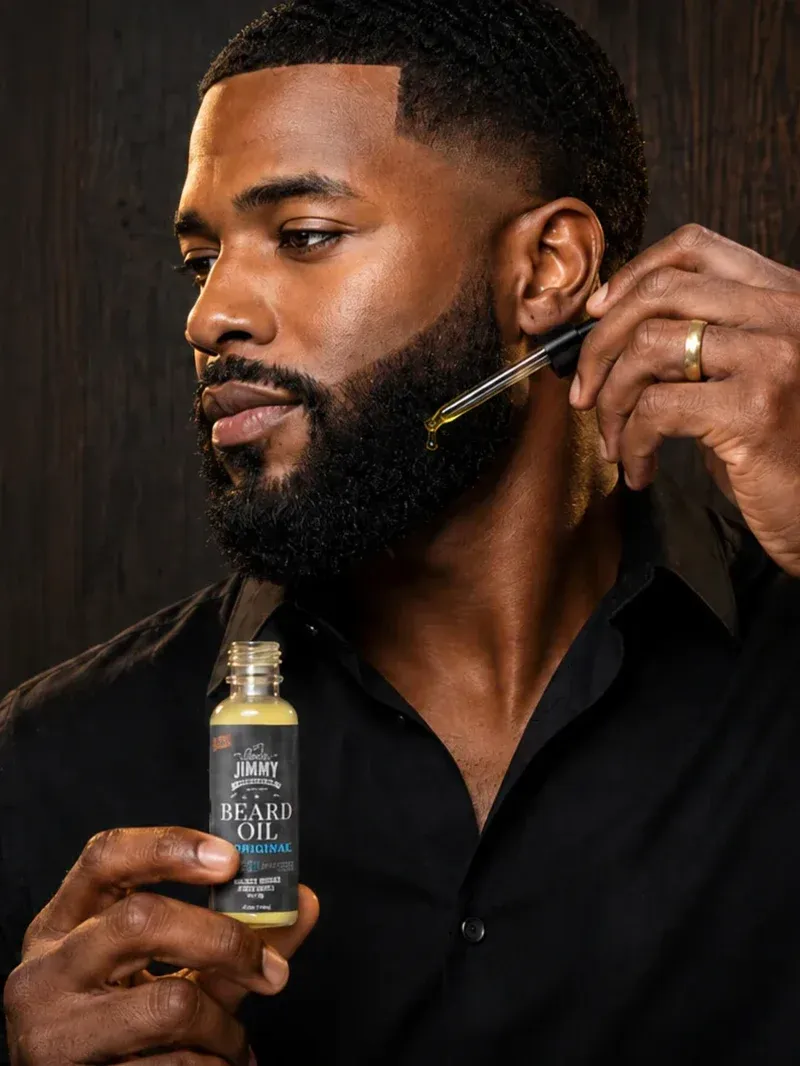
Beard oil is a moisturizer and softener. It does not kill yeast, does not exfoliate dead cells, and does not address the underlying skin condition. Slathering it on flaky skin just makes a moist environment for Malassezia. Users who "put a lot of oil in it" and still can't wear black shirts are treating the symptom with the wrong tool.
The Actual Routine
- Exfoliate 1–2x/week: a soft beard scrub or a BHA (salicylic acid) wash loosens flakes and dead skin.
- Antifungal / medicated wash 2–3x/week: look for pyrithione zinc, ketoconazole (1%), or salicylic acid. These target the yeast and scale. (Hims and dermatology sources note ketoconazole and zinc pyrithione are effective against Malassezia.)
- Rinse thoroughly — residue irritates.
- Moisturize the skin under the beard with a light, non-comedogenic oil or balm — this is where beard oil belongs, as step four, not step one.
- Wash with mild beard-specific cleanser on non-medicated days; avoid harsh bar soap.
When to See a Clinician
If flakes are accompanied by redness, scaling that spreads, hair loss in patches, or no improvement in 3–4 weeks, get a diagnosis. True seborrheic dermatitis or psoriasis needs specific treatment.
Related guides
Frequently Asked Questions
Can I use head-and-shoulders on my beard?
Yes — a pyrithione zinc shampoo used on the beard 2–3x/week is a common, effective dandruff treatment. Rinse well.
Why does it get worse in winter?
Indoor heat and hot showers dry the skin and the yeast thrives in the trapped-oil environment. Humidify and cut water temperature.
Will shaving the beard fix it?
Often yes temporarily, because you remove the reservoir. But the skin condition returns if underlying cause unaddressed. Treat the skin.
Is beard oil useless then?
Not at all — it softens and moisturizes. It is just not the treatment for flaking. Use it after the medicated steps, not instead of them.
Beard dandruff persists because oil masks rather than treats it — and can feed the fungus. Exfoliate, use a zinc or ketoconazole wash, then moisturize, and the black shirts come back into rotation.