
Your Scalp Keeps Flaking No Matter What Shampoo You Try: Why Buildup and Dryness Are Two Different Problems
Flaking that survives every anti-dandruff shampoo is usually misdiagnosed. Buildup flakes and dry-skin flakes need opposite treatments — and mixing them up is why nothing works.
Published · Updated
Marcus Vance
Fabric Longevity & Grooming Editor · Editor Bio → · How we research →
Bond-repair chemistry, wash temperature rules, and protein-moisture balance.
Key Takeaways
- Flaking has two common, opposite causes: product/oil buildup (needs clarifying) and dry skin (needs moisture) — treating one with the other makes it worse.
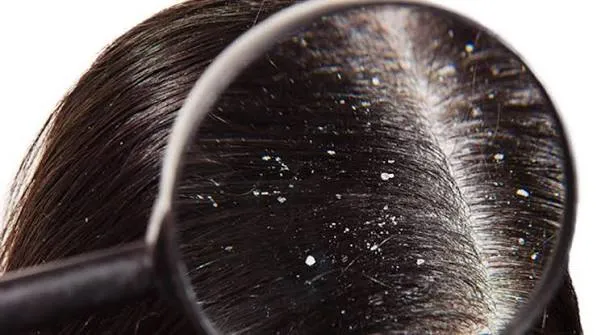
- Buildup flakes are often yellowish, oily, and stuck to the scalp; dry flakes are white, dry, and fall freely.
- A 2% pyrithione zinc or ketoconazole shampoo targets yeast-driven flaking; a salicylic acid or clarifier targets buildup; a hydrating scalp serum targets dryness.
- "Tried everything" usually means trying the same wrong category repeatedly — diagnose by flake type first.
You have tried the dandruff shampoo, the tea-tree shampoo, the expensive scalp serum, the detox scrub. Your scalp still flakes and itches. The r/Ulta and r/Naturalhair threads are full of the same plea: "I've tried everything for my scalp and it's still flaking." The reason "everything" failed is that everything was aimed at the wrong problem.
Most scalp flaking is one of two things — or a yeast overgrowth — and they require opposite care. Using a stripping anti-dandruff shampoo on a dry scalp, or a heavy oil on a buildup scalp, guarantees failure.
Buildup Flakes vs Dry-Skin Flakes
Buildup (seborrheic / product accumulation):
- Flakes are often larger, yellowish, greasy, stuck to the scalp and hair roots.
- Scalp feels oily, maybe itchy, sometimes with redness.
- Often worsens with heavy styling products, dry shampoo overuse, or hard-water mineral deposit.
Dry skin:
- Flakes are small, white, dry, and fall onto shoulders.
- Scalp feels tight, not oily; worse in winter or with hot showers.
- No greasiness.
The treatments are opposites. Buildup needs gentle clarification and yeast control. Dryness needs moisture and less stripping. People with dry flakes who reach for the strongest anti-dandruff shampoo (which is drying) make it worse.
why your scalp serums roll off the hairline
The Yeast Variable
Malassezia, a naturally occurring scalp yeast, feeds on scalp oil and can trigger flaking and itch — the mechanism behind seborrheic dermatitis and classic dandruff. Anti-dandruff actives target it:
- Pyrithione zinc (1–2%): common, effective for mild flaking.
- Ketoconazole (1%): stronger antifungal, often recommended when zinc fails.
- Salicylic acid: exfoliates scale and buildup.
- Selenium sulfide / coal tar: for persistent, oily flaking.
Piroctone olamine is another antidandruff active that targets the yeasts behind flaking — another option in the same family.
The Diagnosis-First Routine
- Identify the flake. Oily/yellow/stuck = buildup or yeast. White/dry/falling = dryness.
- Buildup or yeast: use a clarifying or antidandruff shampoo 2–3x/week; massage the scalp, not just the hair; rinse fully.
- Dryness: switch to a sulfate-free, hydrating shampoo; add a lightweight scalp serum; cut hot showers.
- Reassess in 2–3 weeks. If yeast flakes persist, step up to ketoconazole.
- See a clinician if there is spreading redness, soreness, hair loss, or no improvement — conditions like psoriasis need different care.
The Mistakes That Block Progress
- Over-washing with harsh shampoo strips a dry scalp further.
- Oiling a buildup scalp feeds the yeast and adds more residue.
- Scrubbing aggressively irritates and increases flaking.
- Only washing the hair, not the scalp — the scalp is the target, not the strands.
Frequently Asked Questions
How do I know if it's dandruff or just dry skin?
Greasy, yellowish, stuck flakes = dandruff/yeast. Dry, white, falling flakes = dry skin. Treatment reverses by type.
Can dry shampoo cause flaking?
Yes — overuse builds residue on the scalp that mimics or worsens flaking. It is a common buildup trigger.
Why did the expensive serum not work?
If it was a hydrating serum used on a yeast or buildup scalp, it added moisture to a problem that needed clarification. Match the treatment to the flake.
When should I see a dermatologist?
If over-the-counter care fails in 3–4 weeks, or you see redness, scales with bleed, or hair thinning, get a diagnosis — psoriasis and fungal infection need specific treatment.
Your scalp flakes no matter the shampoo because you have been treating the wrong cause. Diagnose oily-buildup versus dry-skin flakes, pick the matching active, and the "tried everything" loop finally ends.