
Why Your Nail Polish Chips in One Day (and the Prep Mistake Behind It)
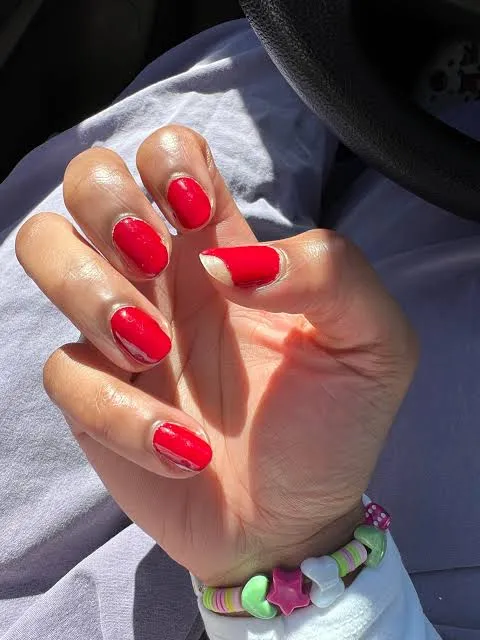
Nail polish chips when the nail surface is oily, the base coat is skipped, or the layers are too thick. Proper prep and thin coats fix it.
Published
Sophia Chen
Senior Skincare & Ingredients Editor · Editor Bio → · How we research →
INCI-vetted cosmetics, clean certification checklists, and breathable coverage.
Key Takeaways
- Nail polish chips when the nail surface is oily, the base coat is skipped, or the layers are too thick.
- Natural oils on the nail plate prevent polish from bonding. Dehydrating the nail fixes this.
- Base coat creates a sticky layer that bonds polish to the nail. Skipping it causes peeling.
- Thin coats dry faster and bond better than thick coats.
- Capping the free edge (painting the tip) seals the polish and prevents chipping.
You paint your nails. They look perfect. By the next day, they are chipped and peeling. You assume the polish is low quality. Usually the problem is the prep, not the polish.
This guide explains why nail polish chips, what causes it, and how to make it last.
How Nail Polish Bonds
Nail polish bonds to the nail plate (the hard surface of the nail). For bonding to occur, the nail surface must be clean, dry, and free of oil.
Natural nails produce oil (sebum) and moisture. This oil creates a barrier between the nail and the polish. If the oil is not removed, the polish cannot bond. It sits on top of the oil and peels off.
Cause One: Oily Nail Surface
The most common cause of chipping is oil on the nail plate. Natural oils, hand lotion, and cuticle oil all leave residue on the nail. This residue prevents the polish from bonding.
The fix is to dehydrate the nail before applying polish. Use a nail prep product (like CND ScrubFresh or OPI Bond Aid). These remove oil and moisture from the nail surface. They create a clean, dry surface that polish can bond to.
If you do not have a prep product, wipe the nail with rubbing alcohol or white vinegar. This removes surface oil. Let it dry completely before applying polish.
Cause Two: Skipping Base Coat
Base coat is essential. It creates a sticky layer between the nail and the polish. This layer bonds the polish to the nail and prevents peeling.
Skipping base coat means the polish bonds directly to the nail. The bond is weak. The polish peels off in one sheet.
Use a base coat every time. Apply a thin layer. Let it dry completely (60 seconds) before applying color.
Some base coats are also treatments (strengthening, ridge-filling). These add benefits but may not bond as well as a dedicated base coat. Use a bonding base coat for best results.
Cause Three: Thick Coats
Thick coats of polish take longer to dry. They do not bond well to the nail. They crack and peel.
Apply thin coats. Two to three thin coats are better than one thick coat. Thin coats dry faster and bond better.
Wait 60 seconds between coats. This allows each layer to set before the next is applied. If you rush, the layers do not bond and the polish peels.
Cause Four: Not Capping the Free Edge
The free edge is the tip of the nail. It is the most exposed part and the first to chip. If the polish does not cover the edge, it chips immediately.
Cap the free edge by running the brush along the tip of the nail after each coat. This seals the polish and prevents chipping at the tip.
Cause Five: Wet Nails Before Polish
If your nails are wet when you apply polish, the water prevents bonding. The polish peels off.
Wait at least 1 hour after washing hands before applying polish. Better yet, do your nails before showering. This ensures the nails are completely dry.
Cause Six: Cuticle Oil on the Nail
Cuticle oil is great for nail health. But if it gets on the nail plate, it prevents polish from bonding. Apply cuticle oil after the polish is completely dry, not before.
If you use cuticle oil during prep, wash your hands thoroughly before applying polish. Or use a nail prep product to remove the oil.
Cause Seven: Old or Thick Polish
Old polish becomes thick and gloppy. It does not apply evenly and does not bond well. Thick polish also takes longer to dry.
Thin old polish with nail polish thinner (not remover). Add 2 to 3 drops and shake gently. This restores the consistency.
Replace polish that is more than 2 years old. The formula degrades and loses its bonding ability.
The Right Manicure Routine
- Remove old polish with acetone or non-acetone remover.
- Wash hands with soap and water. Dry thoroughly.
- Push back cuticles gently. Do not cut them (this causes infection).
- Shape nails with a file. File in one direction. Do not saw back and forth.
- Dehydrate the nail. Wipe with nail prep product, alcohol, or vinegar. Let dry completely.
- Apply base coat. Thin layer. Let dry for 60 seconds.
- Apply color. Thin coat. Let dry for 60 seconds.
- Apply second color coat. Thin layer. Let dry for 60 seconds.
- Cap the free edge. Run the brush along the tip.
- Apply top coat. Thin layer. Let dry for 60 seconds.
- Cap the free edge with top coat.
- Apply cuticle oil after the polish is completely dry (10 minutes).
How to Make Polish Last Longer
- Use thin coats. Two to three thin coats bond better than one thick coat.
- Cap the free edge. Seal the tip with every coat.
- Use a good top coat. A quick-dry top coat (like Seche Vite) adds shine and durability.
- Reapply top coat every 2 to 3 days. This extends the manicure.
- Wear gloves for dishwashing and cleaning. Water and chemicals break down polish.
- Avoid hot water. Hot water softens polish and causes chipping.
- Moisturize cuticles, not nails. Oil on the nail plate causes peeling.
Common Mistakes That Make It Worse
- Skipping base coat. Base coat is essential for bonding.
- Applying thick coats. Thin coats bond better.
- Not capping the free edge. The tip chips first.
- Applying polish to wet or oily nails. Dehydrate first.
- Using old, thick polish. Thin or replace.
- Not waiting between coats. Wait 60 seconds.
When to See a Nail Technician
See a nail technician if your polish always chips, no matter what you do. See one if your nails are weak, peeling, or damaged. See one if you want a professional manicure that lasts 7 to 14 days.
A good technician can assess your nail condition and recommend products and techniques.
Frequently Asked Questions
Why does my polish peel off in one sheet?
Peeling in one sheet means the polish did not bond to the nail. The nail surface was oily or wet. Dehydrate the nail before applying polish.
How long should nail polish last?
A well-applied manicure should last 5 to 7 days. If it chips in 1 to 2 days, the prep or application is wrong.
Is gel polish better than regular polish?
Gel polish lasts longer (2 to 3 weeks) but requires a UV lamp to cure. It is harder to remove and can damage nails if not removed properly. Regular polish is easier to apply and remove but lasts less time.
Can I use regular polish over gel?
Yes, but the regular polish will not last as long as the gel underneath. The gel base provides a smooth surface, but the regular polish on top chips normally.
Nail polish chipping is a prep problem, not a polish problem. Dehydrate the nail, use base coat, apply thin coats, and cap the free edge. The manicure lasts 5 to 7 days instead of 1.