
Why Your Regular Polish Chips at the Tips After Two Days: The Top-Coat Layer Fix
The free edge (tip) is the most flexible part of the nail and takes the most trauma; a thin top-coat layer over a flexible base extends wear by days, while thick layers crack and chip at the edge.
Published · Updated
Sophia Chen
Senior Skincare & Ingredients Editor · Editor Bio → · How we research →
INCI-vetted cosmetics, clean certification checklists, and breathable coverage.
Key Takeaways
- The free edge (the tip) is the most flexible and most trauma-exposed part of the nail; every tap or scrape concentrates force at the thinnest point where the polish film bends.
- Thick layers of polish crack and chip at the edge under flexion; two thin layers flex with the nail and stay intact.
- A flexible base + flexible-top-cap (thin layers of both at the tip) is what creates a film that bends instead of breaking — the key chip prevention most people skip.
- Re-sealing the tip with a thin top-coat swipe every 48 hours extends wear by 3-4 days without a full redo.
You do two coats of your favorite polish and by Tuesday the tips are chipped down to the pink. You didn't apply badly — the tips are the part of your nail that bends the most, and rigid polish has nothing on a bend.
On r/RedditLaqueristas, "chips at the tips after two days" is the eternal gripe, and the answer is always "use a better top coat" — which helps, but only if you're sealing the most-flex-zone correctly.
Why the Tip Is a Chip Factory
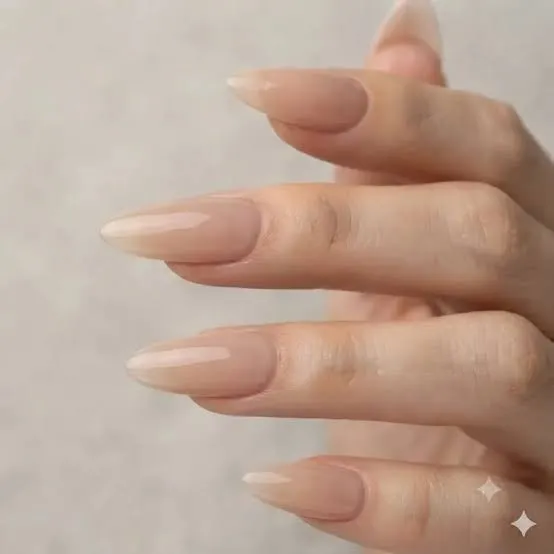
The free edge (the white tip) is the part of the nail that flexes with every movement. Unlike the nail bed, which is supported by the finger underneath, the tip is a cantilever — it bends, taps, and scrapes against everything while the rest of the nail stays supported.
Standard polish forms a rigid film. When that film bends over and over, the stress concentrates at the thinnest point — the tip edge — and the film cracks, then chips.
The Flexible-Film Fix
- Thin layers only. Two thin coats flex with the nail; one thick coat cracks on the first bend. Wipe the brush on the rim and swipe fast.
- Base coat must flex too. A rigid base (many "strengthening" bases are high in formaldehyde resin) transfers the chip upward. Use a flexible base (butyl acetate-light) and wipe it thin over the tip.
- Tip-seal every coat. After each color layer, swipe the tip with a thin coat of top coat. The cap is what takes the trauma.
- Refresh the cap every 48 hours. One thin top-coat swipe over the tip reseals the film and adds 3-4 days to the manicure.
The sequence that works: flexible base → thin color ×2 → thin top (tip-sealed each) → refresh top every 48h.
Why Your Gel Manicure Lifts at the Cuticle Why Your At-Home Gel Kit Yellows Your Nails
Frequently Asked Questions
Why does my polish chip on the ring finger first?
The ring finger takes the most typing and ring contact. Everyone chips there first — it's usage, not application.
Should I cap the tip or wrap the whole edge?
Cap the tip only — wrapping the underside with thick product catches on fabric and pulls the whole edge off. A thin tip cap stays put.
Can a ridge-filling base cause more chipping?
Yes, if it's thick and rigid. A flexible, thin ridge filler is fine; a chunky one creates a stress point at the tip.
Your regular polish chips at the tips because the tip bends most and rigid polish can't flex with it. Two thin layers + a flexible base + a thin tip-sealed top coat every 48 hours bends instead of breaking.