
Why Your Fantasy Color Fades Before the Wedding: The Porosity and Wash-Temperature Fix
Vivid fashion-color hair fades fast because high-porosity, bleached strands leak pigment — and hot washing accelerates it. Cool water and porosity-matched care keep color for the event.
Published
Marcus Vance
Fabric Longevity & Grooming Editor · Editor Bio → · How we research →
Bond-repair chemistry, wash temperature rules, and protein-moisture balance.
Key Takeaways
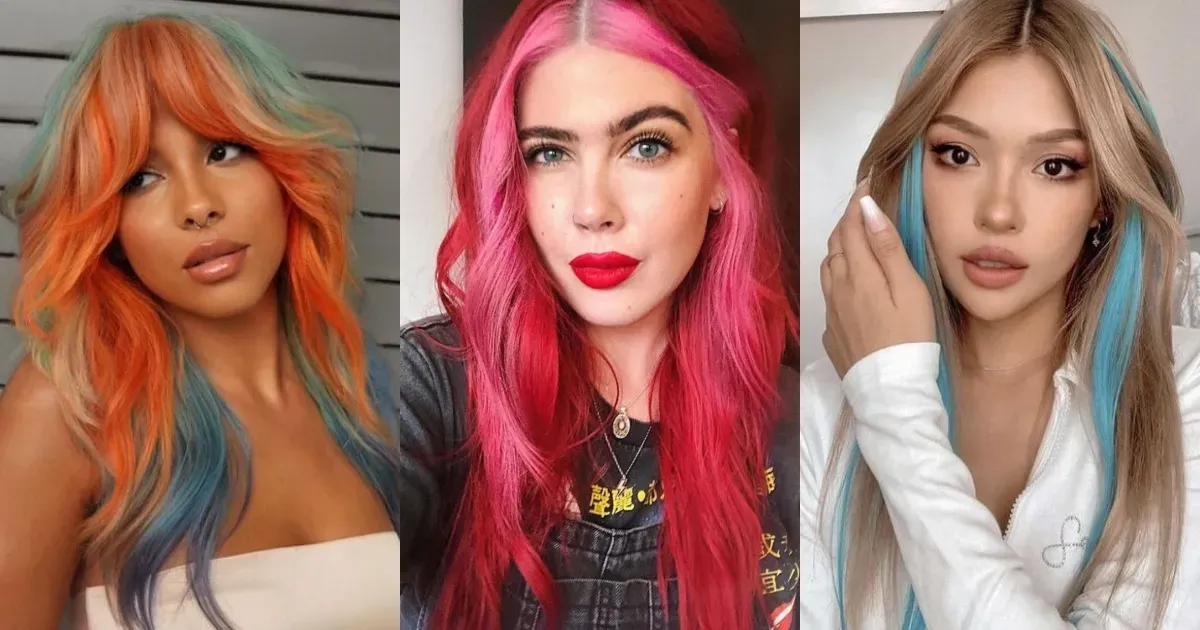
- Fashion colors (pink, blue, green) are direct dyes that sit in the hair's porous cortex and wash out far faster than permanent dye.
- Bleached, high-porosity hair leaks pigment quickly because the cuticle is open and the strands are sponge-like.
- Hot water opens the cuticle further and drives color out; cool washes and sulfate-free cleansers extend life dramatically.
- Pre-event, refresh with color-depositing conditioner and minimize washes to protect the shade.
You got the pastel pink or electric blue for a big event. A week later it is a washed-out shadow of itself, and the wedding is in ten days. Fantasy colors are notoriously fleeting, but the speed of fade is controllable — and most of the loss is happening in your shower.
Why Vivid Colors Fade Faster Than Natural Tones
Permanent and demi dyes react chemically and lodge in the cortex semi-permanently. Fashion "direct" dyes are pigments that simply sit in the hair's porous structure without a chemical bond. They are designed to be temporary. On bleached hair — which is exactly what most vivid colors require as a base — the cuticle is lifted and the cortex is sponge-like, so pigment leaks out with every wash.
post-bleach bond repair protocol
The Porosity Problem
Bleaching raises porosity: the cuticle scales lift, creating channels that let pigment (and moisture) escape. High-porosity hair holds vivid color intensely at first (lots of space to fill) but loses it just as fast. Low-porosity, less-damaged hair holds color longer but also takes it less vividly. You cannot change porosity overnight, but you can stop accelerating the leak.
The Hot-Water Mistake
Hot water is the silent color killer. Heat swells the hair and opens the cuticle, flushing direct dye out. A cool or lukewarm rinse keeps the cuticle tighter and the pigment in. Combined with a sulfate-free, color-safe cleanser (sulfates are harsh detergents that strip pigment), cool washing is the single biggest fade-saver.
The Pre-Event Routine
- Wash as little as possible — rinse and condition between shampoos; use dry shampoo at the roots only.
- Cool water only on colored lengths.
- Sulfate-free, color-safe cleanser; focus on the scalp, not the lengths.
- Color-depositing conditioner in your shade for refreshes 2–3 days before the event.
- Avoid heat styling on the lengths right before — heat fades and dulls.
Frequently Asked Questions
Will a gloss or toner at the salon save it?
A salon gloss can revive tone and shine before the event, but for a true vivid, a color-depositing refresh at home is often better and faster.
Why does my blue turn green/teal as it fades?
Mixed pigments separate as they wash; the dominant underlying tone shows. A depositing conditioner in the right hue corrects it.
Is there a permanent fantasy color?
Not truly — direct dyes are inherently semi-permanent. Some last longer on low-porosity hair, but none are "permanent" like oxidative dye.
Can I re-dye right before the event?
Yes, but do it 2–3 days prior, not the morning of, to let it settle and any initial wash-out occur beforehand.
Your fantasy color fades before the event because porous, bleached hair leaks direct dye — and hot, sulfated washing speeds the leak. Cool water, minimal washes, and a depositing refresh keep the shade for the day that matters.