
Does Cashmere Pill? Why It Happens and How to Stop It
Published · Updated
Short answer
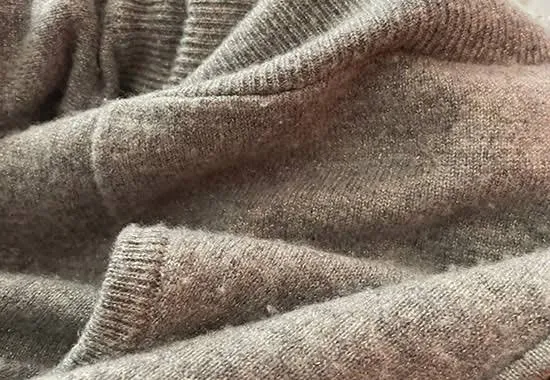
Yes, all cashmere pills to some degree, especially where it rubs, such as under the arms and along the sides. Pills form when short, loose fibres work to the surface and tangle. Some pilling in the first few wears is normal and comes off with a cashmere comb or fabric shaver; heavy, constant pilling usually means short-staple fibres or a loose knit.
Marcus Vance
Fabric Longevity & Grooming Editor · Editor Bio → · How we research →
12 investment pieces that create 50 versatile outfits without loud designer logos.
Key Takeaways
- All natural cashmere knits experience light superficial pilling where friction occurs.
- Premium Grade-A cashmere uses long fiber staples (over 34 millimeters) that resist pulling free from the spun yarn.
- Budget cashmere brands blend short leftover fibers (under 28 millimeters) that separate and tangle into fuzz balls within days.
- You must remove surface pills with a dedicated fine-tooth cashmere comb or motorized fabric shaver. Never pull pills off with your fingers.
- If you want durable knitwear that resists pilling, inspect the yarn ply, twist density, and gauge before purchase.
Is It Normal for Cashmere to Pill?
Direct Answer: Yes, every natural cashmere sweater experiences slight initial pilling. Cashmere fibers are exceptionally fine, averaging 14 to 16.5 microns in diameter. Fine fibers have less mass and escape yarn twists more easily than coarse wools. On high-grade garments, loose surface fibers release and pill during the first three wears. Once you comb these initial fibers away, pilling stabilizes. Continuous, heavy pilling across the entire chest indicates low-grade short fibers and loose yarn spinning.
Consumers frequently assume that paying $200 or more guarantees an immune fabric. Price does not always correspond to fiber length.
When you swing your arms while walking or carry a shoulder bag, friction teases the ends of short fibers out of the yarn. These loose ends twist together into small fuzzy balls called pills.
Cashmere Quality and Pilling Resistance Matrix
The table below compares the physical properties, durability, and cost metrics of knitwear grades:
| Knitwear Quality Tier | Fiber Diameter (Microns) | Staple Length (mm) | Pilling Resistance | Garment Longevity |
|---|---|---|---|---|
| Grade-A Cashmere (Inner Mongolia) | 14.0 to 15.5 μm | > 34 mm (Long staple) | High (Pills settle after 2 combs) | 10+ years with proper care |
| Grade-B Cashmere | 16.0 to 19.0 μm | 28 to 32 mm (Medium staple) | Moderate | 3 to 5 years |
| Budget Fast-Fashion Cashmere | > 19.0 μm | < 26 mm (Short scrap fibers) | Very Low (Continuous fuzzing) | 1 to 2 seasons |
| Synthetic Wool Blends (Nylon/Acrylic) | Variable | Continuous filament | Permanent stubborn pills | Pills cannot break free |
For guidance on investing in long-lasting wardrobe foundations, review our Quiet Luxury Capsule Wardrobe Guide and learn the fundamentals of building a timeless capsule wardrobe.
The Three Mechanical Causes of Sweater Pilling
1. Fiber Staple Length
The hair gathered from the underbelly of the Capra hircus goat varies in length. Long fibers remain anchored inside the yarn core because adjacent fibers twist around them tightly. Short fibers have few contact points. They break free under mild friction and form pills immediately.
2. Yarn Ply and Twist Density
Single-ply yarn consists of one strand of fibers spun loosely. It feels cloud-soft in the store because fibers are untamed on the surface. However, single-ply knitwear pills aggressively. Two-ply yarn twists two distinct strands together, locking raw fiber ends inside the structure. Always look for two-ply or four-ply knitwear.
3. Surface Friction Zones
Pilling does not occur randomly. It concentrates in four specific zones:
- Underarms where the sleeve rubs against the torso.
- Forearms where your wrists rest against desks or laptop keyboards.
- Side seams where coats and bags generate continuous shearing force.
- The collar where beard stubble or jewelry abrades the knit.
How to Safely Remove Sweater Pills
Follow these procedural steps to restore a pilled knit without cutting or snagging the yarn:
Step 1: Lay Sweater Flat on Firm Surface
                  │
                  ▼
Step 2: Smooth Stitches Flat with Clean Hands
                  │
                  ▼
Step 3: Glide Cashmere Comb in One Direction (Follow the Grain)
                  │
                  ▼
Step 4: Lift Away Collected Fiber Balls (Never Pull)
- Lay the garment completely flat. Place the sweater on an ironing board or a hard table. Do not attempt to de-pill a sweater while wearing it.
- Smooth the fabric with your palms. Stretch the knit slightly so that surface pills stand proud of the woven stitches.
- Glide a fine-mesh cashmere comb in one downward direction. Hold the comb at a 45-degree angle. Draw the metal screen lightly along the vertical grain of the knit. Let the screen slice through the tangled fuzz.
- Do not use disposable shaving razors. Multi-blade safety razors have sharp corners that catch and slice through the underlying yarn, creating permanent holes.
- Never pull pills off with your fingers. Yanking a pill pulls anchored fibers out of the yarn core, creating a longer loose tail that will form an even larger pill the next day.
For comprehensive textile maintenance and fabric longevity rules, explore our complete Curated Wardrobe Architecture Pillar.
Frequently Asked Questions
Why does cheap cashmere feel softer in the store than luxury cashmere?
Budget manufacturers use chemical silicone softeners and over-wash the yarn to raise loose fiber ends. This makes the sweater feel deceptively plush on the store rack. However, because those short fibers are already loose, the garment begins to pill during the very first wear. High-quality Grade-A cashmere feels slightly firmer at purchase and softens naturally with washing over decades.
How often should you wash a cashmere sweater?
You should wash cashmere after every three to four wears. Clean fibers resist pilling better than soiled fibers because sweat, body sebum, and environmental dust create adhesive friction that binds loose hairs into pills.
Does hand washing prevent pilling?
Hand washing in cool water with gentle wool shampoo minimizes agitation and protects fiber integrity. Never wring or twist cashmere. Press excess water out between clean towels and dry the sweater flat on a drying rack.
Does Quince cashmere pill easily?
Quince cashmere, like all grade-A Mongolian cashmere in this price tier, will develop mild surface pilling in friction zones during early wears. Gently shaving with a fabric comb after the third wear stabilizes the knit long-term.
Is it normal for high-end cashmere to pill?
Yes. Even four-ply luxury cashmere pills initially because fine underfleece hairs naturally shed under mechanical friction. Proper depilling settles the garment without damaging integrity.