
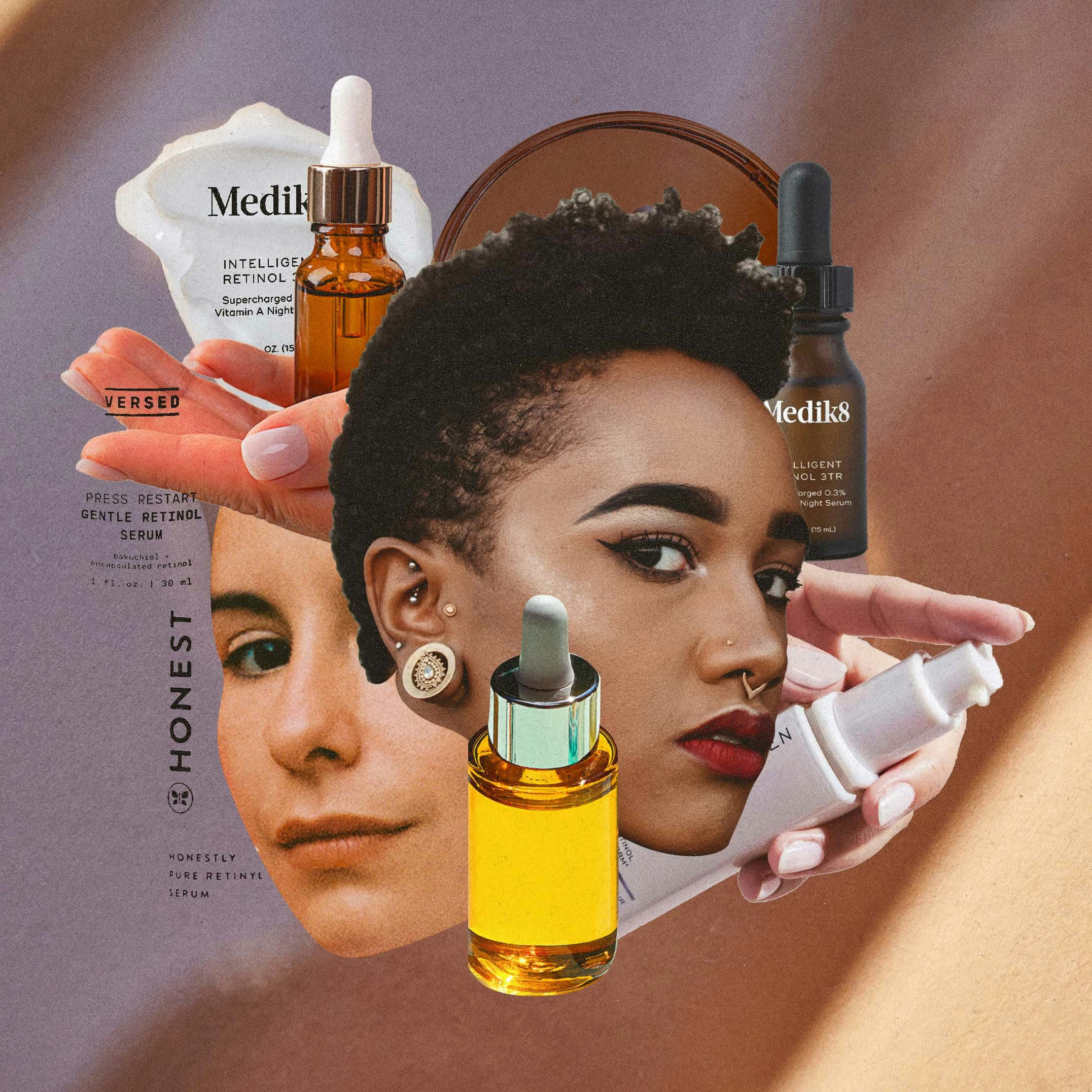
Retinol Is Too Harsh for Your 30s: The Gentle Alternative That Actually Works
Key Takeaways
- Retinol irritation in your 30s is often a barrier problem, not an age problem. Skin in the 30s can tolerate retinol if the barrier is intact and the concentration is appropriate.
- Bakuchiol offers comparable collagen-supporting benefits without the irritation risk of retinoids in clinical observation, though the evidence base is smaller.
- Peptide serums with palmitoyl tripeptide-5 and acetyl hexapeptide-8 improve fine lines and firmness with no irritation risk.
- A layered approach using bakuchiol or peptides at night and vitamin C or niacinamide in the morning delivers effective anti-aging without the retinol adjustment period.
Retinol is the standard recommendation for anti-aging in your 30s, and the recommendation is correct in principle. Retinoids are the most studied anti-aging ingredients available. They work. The problem is that a meaningful share of users in their late 20s and 30s cannot tolerate them. The skin in your 30s is not the same as the skin in your 20s. Barrier recovery is slower. Oil production is declining. Cumulative sun exposure and previous product use have already compromised the barrier to some degree. Putting a retinoid on that skin without preparation produces the familiar sequence: three days of enthusiasm, ten days of peeling, three weeks of frustration, and a drawer full of abandoned serums. The user concludes that retinol is too harsh for them. The more accurate conclusion is that retinol was applied on a barrier that was not ready.
What Is Bakuchiol and Does It Work
Bakuchiol is a plant-derived compound isolated from the seeds and leaves of Psoralea corylifolia, commonly known as babchi. It was developed as a retinol alternative specifically for users who could not tolerate retinoids. A 2019 study in the British Journal of Dermatology compared 0.5 percent bakuchiol cream to 0.5 percent retinol cream over 12 weeks and found comparable improvements in wrinkle depth, hyperpigmentation, collagen production, and skin elasticity. The bakuchiol group reported significantly less skin irritation. That study is the strongest evidence currently available, and it is not as extensive as the retinol literature. Bakuchiol is not retinol. It is a different molecule with a different mechanism. It does not bind to retinoic acid receptors. It appears to work through antioxidant activity, collagen synthesis stimulation, and anti-inflammatory pathways. The result is similar, but the evidence is younger.
For users with sensitive, reactive, or barrier-compromised skin in their 30s, bakuchiol is a reasonable alternative that removes the irritation risk entirely. It can be used daily from the first application without an adjustment period. It does not cause purging. It does not increase photosensitivity the way retinoids do.
Peptide Serums for Anti-Aging Without Irritation
Peptide serums are a second gentle alternative that addresses a different aspect of aging. Retinoids and bakuchiol both work primarily by accelerating cell turnover and stimulating collagen production. Peptides work by signaling collagen production directly. The most studied peptides for anti-aging are palmitoyl tripeptide-5, which stimulates collagen and inhibits its breakdown, and acetyl hexapeptide-8, which reduces muscle contraction and softens dynamic wrinkles around the eyes and forehead. Both peptides are well tolerated. Neither causes purging, irritation, or photosensitivity.
Peptide serums work best when used consistently over 8 to 12 weeks. They do not produce the dramatic surface change that retinoids produce in the first month. They produce gradual thickening of the dermis and softening of fine lines. The result is more subtle but more sustainable for users who cannot tolerate stronger actives.
The Gentle Anti-Aging Routine for Sensitive 30s Skin
The routine below replaces a retinoid with a dual morning and evening approach that delivers anti-aging benefits without the barrier stress.
Morning: Cleanse with a gentle pH-balanced cleanser. Apply vitamin C serum at 10 percent concentration. Vitamin C is an antioxidant that protects against free radical damage and brightens hyperpigmentation. It is well tolerated on most skin types and pairs well with sunscreen. Follow with a moisturizer containing ceramides or peptides. Apply broad-spectrum SPF 30 or higher. This is non-negotiable. Sun protection prevents 80 percent of photoaging.
Evening: Cleanse with the same gentle cleanser. Apply bakuchiol serum at 0.5 percent concentration or a peptide serum with copper peptide and palmitoyl tripeptide-5. Follow with a barrier-supporting moisturizer containing ceramides and cholesterol. No retinoid, no exfoliating acid, no vitamin C in the evening unless your skin tolerates it well.
Weekly: Apply a hydrating mask with hyaluronic acid and panthenol once per week. Do not use clay masks or exfoliating masks if your skin is reactive. Those are for oil control and texture, not for barrier recovery.
When Retinol Is Still the Right Choice
Retinol is still the most effective anti-aging ingredient available, and there are conditions under which it is worth the adjustment period. If your skin is not reactive, if your barrier is healthy, and if you are willing to build slowly over 8 to 12 weeks, retinol will outperform bakuchiol and peptides over the long term. The adjustment period is real but manageable with the sandwich method described in the companion article. Start with 0.3 percent retinol, apply over moisturizer twice per week, and build gradually. If peeling persists after four weeks, your skin is not a good candidate for retinol at this time.
Frequently Asked Questions
Can I use bakuchiol and peptides together?
Yes. Bakuchiol and peptides work through different mechanisms and do not compete. Use bakuchiol at night and peptides in the morning, or layer them together if your skin tolerates it.
Does bakuchiol make skin more sensitive to the sun?
Bakuchiol does not increase photosensitivity the way retinoids do. Sunscreen is still essential, but you do not need to be as careful about application timing or reapplication as you do with retinoids.
Will peptides replace my retinol entirely?
For users with sensitive or barrier-compromised skin, yes. Peptides and bakuchiol can deliver meaningful anti-aging benefits without irritation. For users who tolerate retinoids well, the combination of retinoids plus peptides is stronger than either alone.
How long before I see results from bakuchiol or peptides?
Bakuchiol shows visible improvement in 8 to 12 weeks. Peptides show visible improvement in 12 to 16 weeks. Both require consistent daily use. Discontinue assessment before that window and you will conclude they do not work.
Anti-aging in your 30s does not require a retinoid. It requires a barrier that supports active ingredients, or active ingredients that respect the barrier. Bakuchiol and peptides are not lesser alternatives. They are different tools that work better for a different set of conditions. The right choice depends on what your skin can tolerate, not on what the internet says you should use.