
Why Does Collagen Powder Clump, Separate or Taste Chalky? How to Mix It Smoothly
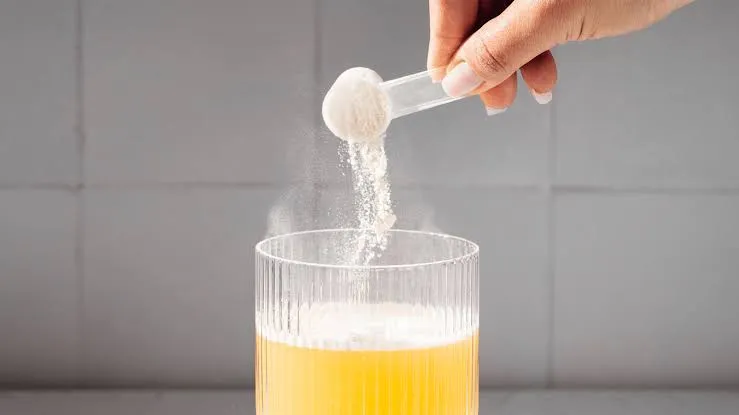
Collagen powder clumps when a scoop hits liquid all at once and wets outside first. Stir it into a little warm liquid, then top up, or use a blender.
Published · Updated
Marcus Vance
Fabric Longevity & Grooming Editor · Editor Bio → · How we research →
Medically Reviewed by Dr. Elena Rostova, MD
Medical & Dermatological Reviewer · MD, Board Certified in Dermatology · Clinical Research Fellow · Member, American Academy of Dermatology (AAD)
Our comprehensive library of ingredient breakdowns, product tests, and barrier protocols.
Key Takeaways
- Hydrolyzed collagen peptides dissolve in both hot and cold drinks, but a scoop tipped into a full glass wets on the outside first, forming gummy lumps with dry powder trapped inside. Those lumps, and the gritty film they leave behind, are what taste "chalky".
- Stirring the powder into a few spoonfuls of warm liquid to make a smooth paste, then topping up, gives the smoothest drink. A blender or milk frother works well for cold drinks.
- Gelatin and flavored blends behave differently: gelatin sets as it cools, and added gums, fibers or cocoa can thicken a drink or settle out even when the collagen itself has dissolved.
- There's no established minimum dose that collagen must reach to work. Follow the label, and talk to a doctor first if you are pregnant, have kidney disease or take regular medication.
Why does collagen powder clump and separate in your drink?
Most collagen powders sold for skin, hair and joints are hydrolyzed collagen, also called collagen peptides. During manufacturing the collagen is broken into small pieces, which is why it dissolves far more easily than gelatin and can be stirred into cold drinks at all. Dissolving easily isn't the same as dissolving instantly, though.
When you tip a scoop of fine powder into a glass of liquid, the particles on the outside of the heap get wet first. They swell into a sticky, gel-like skin that seals dry powder inside, and you end up with lumps that bob on the surface or sink to the bottom. Stirring breaks the big ones apart but often leaves tiny grains behind. Those grains give the drink a gritty, floury mouthfeel, and if the glass sits for a few minutes they settle into a film at the bottom. Cocoa, flour and protein powders do exactly the same thing, so clumping doesn't mean the product is poor quality.
Cold liquid makes the problem more noticeable because everything dissolves more slowly, so lumps last longer. Shaking can trap powder in foam, which sits on top of the drink and takes a while to collapse. Flavored products often contain extras, such as gums, fibers, cocoa, creamer powder or sweeteners, that thicken the drink or settle out on their own, even once the collagen has fully dissolved.
Is it a mixing problem or the wrong kind of collagen?
Check what's in the tub before blaming your technique. Different collagen products are made to behave differently in liquid.
| Product | How it behaves in liquid | Best way to use it |
|---|---|---|
| Unflavored hydrolyzed collagen peptides | Dissolves in hot or cold drinks once dispersed, but clumps if dumped in all at once | Make a paste with a little warm liquid first, or blend |
| Agglomerated or "instant" collagen peptides | Fine particles are processed into larger, porous granules that wet more evenly | Usually stirs in with a spoon; add it gradually |
| Flavored collagen blends | Added gums, fibers, cocoa or creamer may thicken the drink or settle even after the collagen dissolves | Use a shaker or blender, drink promptly and swirl between sips |
| Gelatin | Dissolves poorly in cold liquid and sets into a gel as it cools | Sprinkle over cold water to soften, then dissolve in hot liquid; better suited to cooking |
| Undenatured type II collagen | A different product, usually taken as small capsules for joints | Swallow as the label directs; it isn't meant for mixing into drinks |
If your "collagen" gels in the fridge or refuses to dissolve in a cold drink however you mix it, check whether you've bought gelatin. If you bought collagen for your joints, our guide to type I versus type II collagen explains why the type on the label matters.
How do you mix collagen powder so it dissolves smoothly?
The most reliable method is to disperse the powder in a small amount of liquid before adding the rest.
- Put the powder in the cup first. Add the scoop to an empty mug or glass rather than onto a full drink.
- Add a few spoonfuls of warm liquid. Warm water, milk, tea or coffee all work. Stir until you have a smooth, lump-free paste. Warmth speeds up dissolving, and a small volume lets you work out every lump.
- Top up gradually. Pour in the rest of the drink a little at a time, stirring as you go. You can top up with cold liquid or pour the mixture over ice.
- Give it a minute and stir again. Any grains that were still hydrating will have had time to dissolve.
Other approaches work well too:
- Blender. For smoothies and cold drinks, blend the powder in with everything else. Add it after the liquid so it doesn't stick to the base of the jug.
- Milk frother. A handheld frother breaks up clumps in a mug of coffee or milk in seconds.
- Shaker bottle. Put the liquid in first, then the powder, and shake hard. Let the foam settle before drinking.
- Sprinkling. If you're stirring straight into a full drink, sprinkle the powder slowly over the surface while stirring, instead of tipping in the whole scoop at once.
Why does "unflavored" collagen still taste chalky?
Chalkiness is mostly texture. Undissolved grains feel dry and powdery on the tongue whatever the flavor, so better mixing removes most of it. What's left is the taste of the protein itself. Unflavored collagen has a faint taste that some people describe as slightly savory or brothy, and some people notice a slightly fishy note in marine collagen.
Stronger-tasting drinks hide it best. Coffee, cocoa, smoothies and fruit juice all mask the background taste better than plain water. Collagen also stirs easily into porridge, yogurt and soup; add it toward the end of cooking and mix well.
If a flavored product still tastes chalky after thorough mixing, the flavoring may simply not suit you. An unflavored powder in a drink you already like is often easier to live with.
How much collagen should you take?
Follow the directions on the label. Studies of collagen peptides have used a range of daily amounts, and no minimum dose has been established below which collagen "doesn't work". Taking more than the label suggests hasn't been shown to improve results, and larger amounts are more likely to cause fullness or an upset stomach.
Keep expectations realistic too. Trials report modest effects on skin hydration and elasticity for some people, and the overall evidence is mixed. Our review of what the collagen research actually shows goes through it in detail. Collagen counts toward your daily protein, but it isn't a complete protein because it lacks the essential amino acid tryptophan, so it doesn't replace a varied, protein-rich diet.
Choose a product with third-party testing, such as a USP or NSF mark, which checks that the tub contains what the label says.
When should you talk to a doctor before taking collagen?
Collagen is generally well tolerated by healthy adults, but check with a doctor or pharmacist before starting if:
- You are pregnant or breastfeeding.
- You have kidney or liver disease, or you've been told to limit protein.
- You take regular medication or other supplements.
- You have a fish, shellfish or egg allergy, since some collagen comes from these sources.
Stop taking it and get urgent medical help if you notice signs of an allergic reaction, such as hives, swelling of the lips or face, or difficulty breathing. See a doctor if you develop ongoing bloating, stomach pain or other digestive symptoms after starting a supplement.
Frequently Asked Questions
Can I put collagen powder in hot coffee?
Yes. Hot coffee and tea are among the easiest drinks to mix collagen into, because warmth helps it dissolve quickly. Stir the powder into a small amount of coffee first, then pour in the rest, or use a milk frother to break up any lumps. Add milk or creamer as usual afterwards. Unflavored collagen barely changes the taste of a strong coffee.
Why does my collagen drink go foamy?
Shaking or blending whips air into the liquid, and protein helps hold that foam in place. It's harmless. Let the drink stand for a minute so the foam collapses, or stir gently instead of shaking. Making a paste with a little warm liquid and then topping up usually produces less foam than shaking a full bottle, because less air gets mixed in.
Can I mix collagen into cold water without a blender?
Yes, with a little patience. Dissolve the powder in a few spoonfuls of warm water first, then top up with cold water or pour it over ice. If you only have cold water, sprinkle the powder slowly over the surface while stirring, then wait a minute and stir again. An agglomerated or "instant" powder makes cold mixing noticeably easier.
Is marine collagen easier to dissolve than bovine?
Both are usually sold as hydrolyzed collagen peptides and behave much the same in a drink. How well a powder mixes depends more on how finely it's milled, whether it has been agglomerated and what else is in the blend than on the animal it came from. Choose based on your diet, allergies and budget, and check the source if you avoid fish or beef.
Does a bigger scoop work better?
There's no good evidence that going beyond the label's directions improves results. Larger amounts are harder to mix smoothly, more likely to taste chalky and more likely to cause fullness or bloating. Collagen is protein, so the extra counts toward your daily intake, which matters if a doctor has told you to limit protein. Stick to the label and judge results over a few months.
Collagen powder clumps and tastes chalky mainly because it goes into the liquid too quickly, so the outside of each clump wets before the inside can dissolve. Make a paste with a little warm liquid first and then top up, or use a blender or frother. For the amount, follow the label rather than reaching for a bigger scoop.
Correction, September 28, 2026: An earlier version said collagen needs at least 10 g a day to reach a "fibroblast-activation threshold" and called smaller servings sub-therapeutic. No such threshold has been established, and studies of collagen peptides have used a range of daily amounts, including smaller ones. Unsourced figures for peptide size, mixing temperature and amino acid ratios, and unsupported claims that fat improves absorption and that marine collagen dissolves faster, have also been removed.