
The Hormonal Acne Cycle: Why Your Breakouts Are Cyclical, Not Random
Key Takeaways
- Hormonal acne is driven by androgens, which increase sebum production and inflammation in the days before and during menstruation.
- The breakout window typically starts 5 to 7 days before the period and peaks at menstruation.
- Tracking the menstrual cycle and applying salicylic acid, niacinamide, or benzoyl peroxide during the breakout window prevents most hormonal breakouts.
- Long-term hormonal acne may require a dermatologist-prescribed treatment such as oral contraceptives, spironolactone, or topical retinoids.
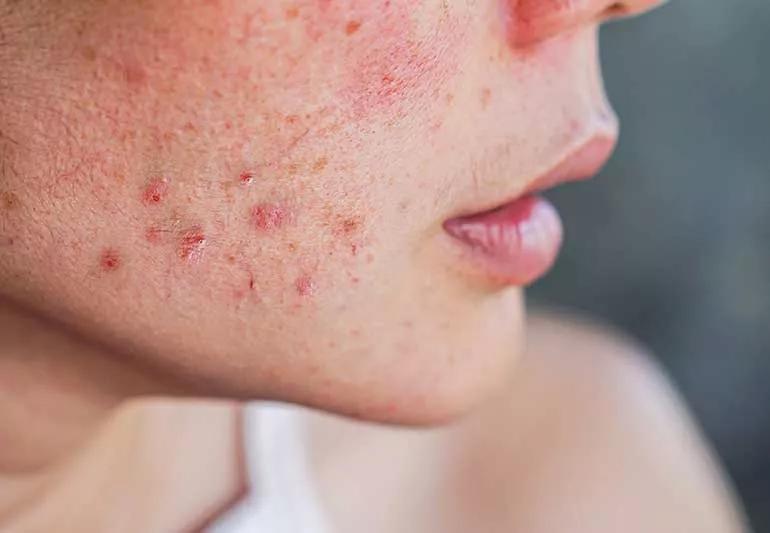
Hormonal acne is one of the most frustrating skin conditions because it appears to be random. A user can have clear skin for three weeks and then wake up with a painful, deep cystic lesion on the chin or jawline two days before their period. The pattern repeats month after month. The randomness is an illusion. Hormonal acne follows a predictable cycle tied to the menstrual cycle, and once the cycle is understood, the breakouts become predictable and preventable. The driver is the fluctuation of androgens, specifically testosterone and dihydrotestosterone, which increase sebum production and inflammation in the days leading up to menstruation. The chin, jawline, and lower face are the most common sites because those areas have the highest density of androgen receptors. Understanding the hormonal timeline allows targeted treatment that interrupts the breakout before it becomes visible.
The Hormonal Timeline
The menstrual cycle lasts approximately 28 days, though it ranges from 21 to 35 days in healthy adults. The hormonal fluctuations that drive acne occur in the luteal phase, which is the period between ovulation and menstruation. During the follicular phase, estrogen is dominant. Estrogen suppresses sebum production and supports skin barrier function. During the luteal phase, progesterone rises and androgens remain relatively stable. The ratio of androgens to estrogen increases, which stimulates sebum production. Sebum production peaks 5 to 7 days before menstruation, which is when the first signs of a hormonal breakout appear.
The breakout typically starts as a deep, painful bump on the chin or jawline. It is not a surface pustule. It is a cystic lesion that develops under the skin and takes 7 to 10 days to resolve. The timing is the clue. If breakouts appear in the same location at the same point in the cycle, the diagnosis is almost certainly hormonal.
How to Track and Predict Breakouts
Tracking the cycle requires only a calendar or a cycle-tracking app. Mark the first day of each period. Count 14 days back from the expected next period. That is the ovulation date. Count 5 to 7 days before the expected next period. That is the start of the breakout window.
During the breakout window, the skin is more reactive. Treatments that are tolerated well during the rest of the cycle may cause irritation during the breakout window. Adjust the routine accordingly. Use gentler active concentrations in the week before menstruation. Reserve stronger treatments for the follicular phase when the skin is more resilient.
The Targeted Treatment Protocol
The treatment protocol changes based on the phase of the cycle. During the follicular phase, the goal is maintenance and prevention. During the luteal phase, the goal is to control sebum production and inflammation.
During the follicular phase:
- Use a gentle cleanser with salicylic acid or benzoyl peroxide if the skin is prone to acne.
- Apply a niacinamide serum to control sebum production.
- Use a lightweight, non-comedogenic moisturizer.
- Retinoids can be used at normal concentration.
During the luteal phase:
- Reduce retinoid concentration or frequency to avoid irritation.
- Increase salicylic acid concentration to 2 percent to control sebum.
- Apply a spot treatment with benzoyl peroxide or sulfur to any emerging bumps.
- Use a clay mask once during the breakout window to absorb excess oil.
- Avoid heavy oils and comedogenic moisturizers.
During menstruation:
- Use the gentlest cleanser available.
- Apply a calming serum with panthenol or allantoin.
- Do not pick or squeeze cystic lesions.
- Ice the area to reduce inflammation.
Long-Term Prescription Options
For moderate to severe hormonal acne that does not respond to topical treatment, prescription options are available. Oral contraceptives that contain estrogen and progestin reduce androgen production and are approved for acne treatment. Spironolactone is an anti-androgen medication that reduces sebum production. Topical retinoids such as tretinoin or adapalene normalize cell turnover and reduce follicular plugging. These treatments require a dermatologist''s prescription and several months to show full effect.
Frequently Asked Questions
Can diet affect hormonal acne?
High-glycemic foods and dairy products have been associated with increased sebum production and inflammation in some studies. The evidence is not conclusive, but reducing sugar and dairy intake during the luteal phase may help some users.
Will hormonal acne go away after menopause?
Yes. Androgen production declines after menopause, and hormonal acne typically improves. Some women experience perimenopausal acne due to the hormonal fluctuations of the transition.
Is hormonal acne the same as PCOS acne?
PCOS acne is a form of hormonal acne caused by polycystic ovary syndrome. It is often more severe and persistent. If acne is accompanied by irregular periods, excess facial hair, or weight gain, see a doctor to rule out PCOS.
Can I use the same products year-round?
Yes, but adjust concentrations and frequencies based on the cycle phase. The same products work, but the skin is more reactive in the luteal phase.
Hormonal acne is not random. It is cyclical. Track the cycle, predict the breakout window, and adjust the routine. The skin responds to timing as much as it responds to products.